


Is It Healthy To Drink Smoothies?
The Building Blocks of a Healthy Smoothie
Updated October 2026
Smoothies are a quick and convenient way to boost your intake of fruits and vegetables, which is why they’re a popular choice for breakfast or a snack.
But from green smoothies to protein smoothies, they’re not all created equal. What you add to your blender can affect the nutrition, calories and overall quality of your drink.
Learn about the health benefits of drinking smoothies, common mistakes and the ingredients for a more balanced blend.
The right mix of ingredients can help you achieve your nutrition goals.— Hannah Gould, MS, RD, LDN, CDCES
Health Benefits of Smoothies
A well-made smoothie can pack a lot of nutrition into one glass and offer a variety of health benefits. The right combination of ingredients can support digestion, make it easier to eat more fruits and vegetables, and contribute to overall health and wellness.
Support digestion and fullness
Fiber is a key nutrient found in many smoothies. It supports digestion and can help you feel full and satisfied between meals.
Fiber may also help:
- Support regular bowel movements
- Keep blood sugar levels stable
- Lower cholesterol levels, which can reduce the risk of heart disease
Using whole fruits and vegetables instead of fruit juice can help increase the fiber content of your smoothie. It also allows you to get more of the nutrients naturally found in produce.
Make it easier to eat more fruits and vegetables
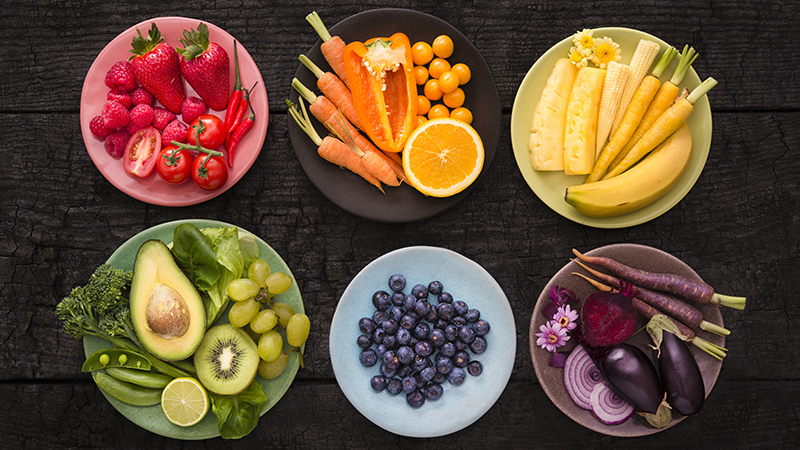
Whether you’re blending a quick breakfast or an afternoon snack, smoothies offer a simple way to add more nutrient-rich fruits and vegetables, especially on busy days.
Fruits provide natural sweetness, while vegetables add additional vitamins and minerals.
Both fresh and frozen produce work well in smoothies. Frozen fruits and vegetables can add a thicker texture while providing similar nutritional value.
Support overall health
When made with nutritious ingredients, smoothies can support a variety of health goals, including:
- Weight management: Fiber and protein can help you feel full between meals.
- Energy levels: Balanced nutrients can provide more sustained energy throughout the day.
- Heart health: Some of the ingredients found in smoothies, such as fruits, vegetables and healthy fats, may help support a healthy heart.
How To Build a Healthy Smoothie
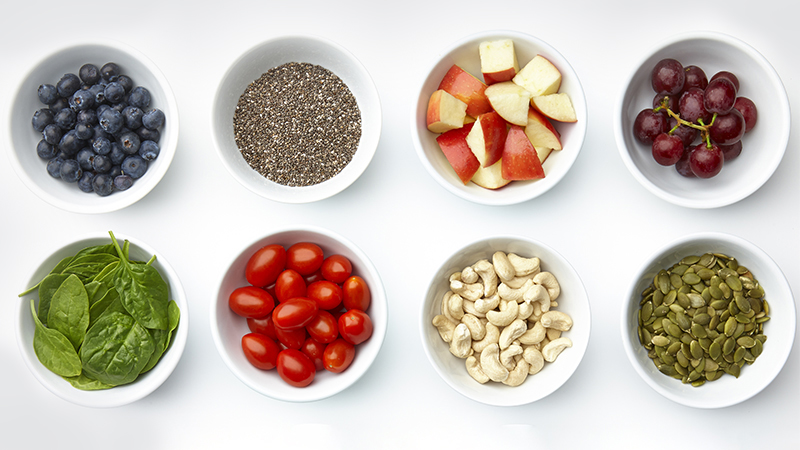
Choosing the right smoothie ingredients can make a difference in your overall nutrition and satisfaction. A simple way to build a healthy smoothie is to combine fruits, vegetables, a liquid base, protein, and sources of healthy fats and fiber.
“The right mix of ingredients can help you achieve your nutrition goals,” says Hannah Gould, MS, RD, LDN, CDCES, a dietitian at Northwestern Medicine.
A balanced smoothie typically includes:
Fruits and vegetables
Fruits and vegetables often serve as the foundation of a smoothie, providing flavor, color and texture.
Common options:
- Berries
- Bananas
- Spinach
- Kale
A liquid base
Your liquid helps blend ingredients and creates the texture you prefer.
Some options:
- Water
- Coconut water
- Plant-based milk, such as unsweetened almond milk or soy milk
- Cow’s milk
Healthy fats and fiber
Healthy fats and fiber can create a more balanced smoothie and help you feel full longer.
Sources of healthy fats:
- Chia seeds
- Flax seeds
- Nuts or nut butters
Fiber-rich additions:
- Oats
- Wheat bran
Protein
Adding protein can help make a smoothie more filling and support muscle health.
Common options:
- Greek yogurt
- Protein powder
- Cottage cheese
- Tofu
When choosing a protein powder, look for one with a simple ingredient list.
“If you’re prone to gastrointestinal discomfort, be mindful of protein powders with sugar alcohols, such as sorbitol, xylitol, erythritol and mannitol, which are commonly found in low-sugar protein powders,” says Gould. “Also, some protein powders contain gums or fiber additives that may cause stomach upset for those with sensitivities or if introduced too quickly.”
Gould recommends including chia seeds or flax seeds to smoothies, which can add soluble fiber and healthy fats, improving glycemic control, fullness and stool regularity.
Making your own smoothies at home can make it easier to manage ingredients and portion sizes.
Can Smoothies Replace a Meal?
Smoothies can work as an occasional meal replacement, but not all smoothies provide enough staying power on their own.
“If done the right way, smoothies can be an easy option for a meal replacement in a pinch,” says Gould.
A fruit smoothie made with only fruit may digest quickly and leave you feeling hungry sooner. To make a smoothie that will be used as a meal replacement, include a source of each of the following:
- Protein
- Fiber
- Healthy fats
This combination provides more steady energy and can help keep you satisfied.
Gould shares the following delicious and healthy smoothie recipes, which include a fruit-forward blend, a green smoothie and a protein shake.
Citrus-Pineapple Smoothie Bowl
Ingredients
- 1/2 cup fat-free Greek yogurt
- 1/2 cup frozen pineapple
- 1 teaspoon vanilla extract
- 1/2 navel orange, sliced
- 1/2 ruby grapefruit, sliced
- Optional: a sprinkle of chia seeds and chopped cashews
Instructions
- Add all ingredients to a blender. Blend until smooth and divide between two bowls.
- Top with orange and grapefruit slices, chia seeds and chopped cashews.
Green Machine Smoothie
Ingredients
- 1 medium banana, diced
- 1 kiwi, diced
- 1 cup unsweetened almond milk
- 1 cup spinach
- 1 serving vanilla whey protein powder (per ingredient label)
- 1/2 cup coconut water
Instructions
- Add all ingredients to a blender. Pulse until smooth and creamy.
- Add more almond milk until preferred thickness is reached.
Mocha Protein Shake
Ingredients
- 1 1/2 cups black coffee, made in advance and cooled
- 1 large frozen banana, diced
- 1 cup ice cubes
- 1/4 cup walnuts
- 1 tablespoon unsweetened cocoa powder
- 6 tablespoons chocolate protein powder
Instructions
- Add all ingredients to a blender.
- Blend until smooth and divide into two servings.
What Makes a Smoothie Less Healthy?
Not all smoothies provide the same nutritional value. Factors, such as preparation, portion size and ingredients, can make a difference.
Some common things to watch for:
- Adding too much fruit juice, which can significantly increase sugar content
- Including other ingredients high in added sugars, such as artificially flavored yogurts and syrups
- Leaving out protein or healthy fats, which can make it harder to feel full
- Making portions larger than intended
If you’re ordering from a smoothie shop, it’s also worth checking the nutrition information when available. While a homemade smoothie may range from 175 to 450 calories, some store-bought options can exceed 1,000 calories and contain high amounts of added sugars.
Making Smoothies Part of Your Routine
Smoothies can help you maintain healthy eating habits, especially when life gets busy. They offer a flexible way to combine a variety of nutrient-dense foods into one convenient option.
Instead of focusing on perfection, aim for balance. Choose whole ingredients, keep an eye on portions and adjust your blends to fit your needs.
With a few smart choices, smoothies can become a reliable part of your routine.
 Chrome
 Edge
 Safari
 Firefox