
Kratom Under a Microscope
Effects, Uses and Health Risks of This Herbal Substance Explained
Published September 2025
You may have seen products like kratom powder, gummies or drinks sold at gas stations, vape shops or online. These products are often marketed as a natural way to relieve chronic pain, manage anxiety, boost energy or help with opioid withdrawal.
The U.S. Food and Drug Administration (FDA) has a different message: Kratom is not appropriate for use as a dietary supplement, and these products pose health risks.
What Is Kratom?
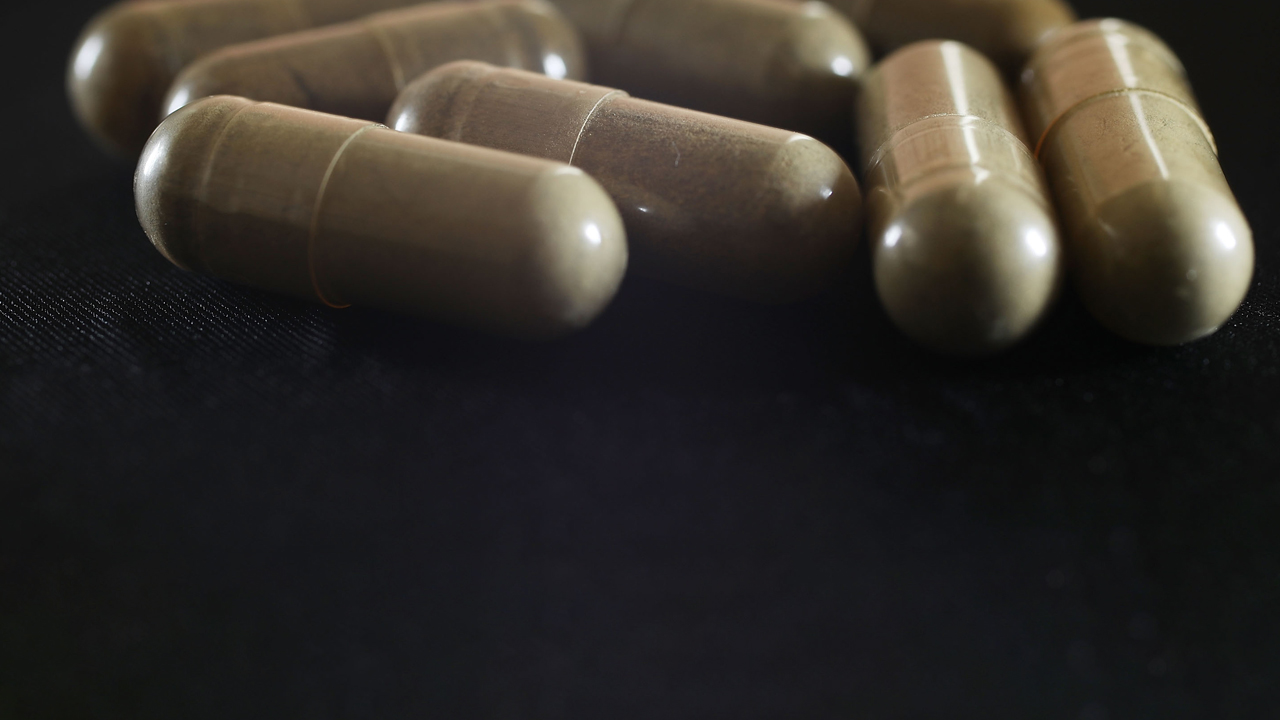
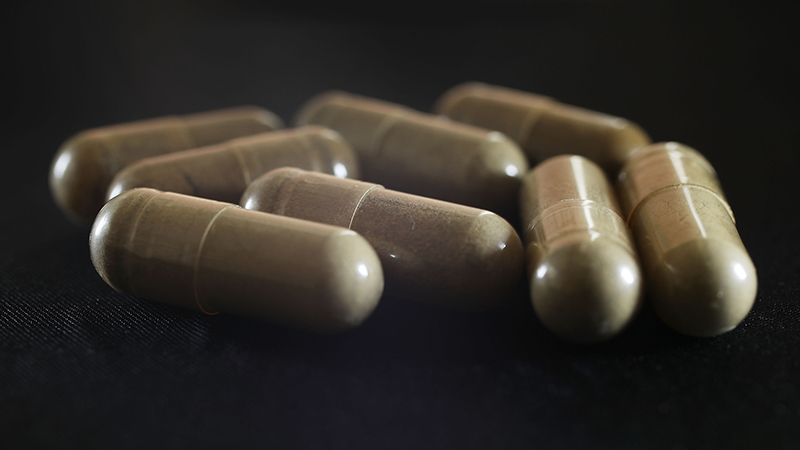
Kratom comes from the leaves of a tree (Mitragyna speciosa) native to Southeast Asia. Historically, people in that region have used the leaves for tea or chewed them for their stimulating and pain-relieving effects. In the United States, kratom is sold in many different forms, including powders, capsules, liquids and edibles.
The leaves from this plant contain two main organic compounds, mitragynine and 7-hydroxymitragynine (7-OH). These compounds attach to the same parts of the brain called “mu-opioid receptors” that opioids like codeine and morphine do. This can lead to effects like:
- Pain relief
- Relaxation and sedation
- Mood elevation and euphoria
- Increase in energy and alertness
Mitragynine and 7-OH also affect other brain chemicals, including serotonin, dopamine and norepinephrine, which can influence mood, levels of energy and alertness.
While 7-OH is naturally occurring in kratom, some products contain synthetic versions of 7-OH, which are typically more highly concentrated and pose a higher risk of abuse and addiction. A product marketed as “plant-based” may in fact deliver a much stronger and potentially harmful dose.
While 7-OH is naturally occurring in kratom, some products contain synthetic versions of 7-OH, which are typically more highly concentrated and pose a higher risk of abuse and addiction. A product marketed as “plant-based” may in fact deliver a much stronger and potentially harmful dose.
Not FDA Approved
Kratom has no approved uses from the FDA. However, kratom’s legal status in the United States is currently determined by individual states and localities. This is because federal law does not classify kratom as a controlled substance, so its sale and use are not federally restricted. In Illinois, it is illegal to purchase or possess kratom if you are under 18 years of age. Some municipalities in the state have completely banned it.
Effects and Safety Concerns
Kratom is unique in that it carries properties of stimulants and opioids, and these effects appear to be dose-dependent. At lower doses, kratom may act as a stimulant, but higher doses can produce sedative or opioid-like effects. Long-term or heavy use may lead to:
- Tolerance
- Dependence and substance use disorder
- Withdrawal symptoms
- Liver problems
- High blood pressure
- Elevated heart rate
- Seizures
- Psychosis
- Respiratory issues
Medications like naltrexone and buprenorphine can be used appropriately and safely for the treatment of kratom use disorders to excellent results.
Contamination is also a concern, as kratom products are unregulated. This means there’s no guarantee of what they contain. Some kratom products have been found to be contaminated with metals like lead and nickel, as well as harmful bacteria like Salmonella.
The Bottom Line
Kratom has become a go-to remedy for some people looking for relief from pain, anxiety or opioid withdrawal, but it’s not without risks. The lack of regulation means you can’t be sure of a product’s purity or strength, and the potential for addiction and serious health problems is real.
If you or someone you know needs help for substance abuse, talk to a medical professional or visit the Illinois Helpline, a government-funded resource for finding medication-assisted recovery support. Call 833.234.6343 or text “HELP” to 833234. Outside of Illinois, call the U.S. Substance Abuse and Mental Health Services Administration (SAMHSA) National Helpline at 800.662.HELP.


 Chrome
 Edge
Edge Safari
 Firefox