


What To Know About Hantavirus: Symptoms, Risks and How To Stay Safe
A Guide to Risk Factors, Warning Signs, and Prevention Tips To Stay Protected at Home and Outdoors
Published May 2026
Hantavirus is a rare but serious illness spread mainly by rodents. One type of hantavirus, called Andes virus, has been linked to rare exposure events in indoor or enclosed spaces, such as the MV Hondius cruise ship.
The best protection is awareness.— Michael P. Angarone, DO
While these types of events have raised questions about hantavirus and what it means for your health, the risk to most people in the United States remains low. Still, understanding how this virus spreads and how to prevent exposure can help you stay safe.
What Is Hantavirus and How Do People Get It?
Hantavirus is a group of viruses spread mainly by wild rodents, especially deer mice in North America. The virus is named after the Hantan River in South Korea, near where it was first identified in the 1950s.
People can get a hantavirus infection through contact with rodents, especially exposure to their urine, droppings or saliva. In rare cases, the virus can also spread through a rodent bite or scratch.
People may be exposed by:
- Breathing in tiny particles from rodent urine, droppings or saliva
- Touching surfaces with rodent waste and then touching your eyes, nose or mouth
- Being in close spaces with an infected rodent
- Eating food contaminated by waste or saliva from an infected rodent
Most cases in the United States are linked to exposure to deer mouse droppings, urine or nesting materials.
In rare cases, a strain of hantavirus called the Andes virus can spread person to person. However, this has mostly occurred in South America and is not common in North America.
“While news about the Andes virus may raise concern, the risk for most people in the United States remains low,” says Northwestern Medicine Infectious Disease Specialist Michael P. Angarone, DO. “The best protection is awareness. By understanding how hantavirus spreads, recognizing the symptoms of hantavirus and taking steps to prevent contact with rodents, you can reduce your risk and stay healthy.”
How Common Is Hantavirus in the United States?
Hantavirus is rare in the United States. Each year, only a small number of cases are reported.
People most at risk include:
- Those living in rural areas
- People who spend time in cabins, sheds, garages or other rodent-prone spaces
- Workers exposed to rodents, such as farmers and construction workers
- Campers, hikers and others who spend a lot of time outdoors
Even though cases are uncommon, they can be severe. That's why early recognition of symptoms and reducing exposure to rodents are important.
What Are the Symptoms of Hantavirus?
The symptoms of hantavirus often start like a mild, flu-like illness. Early signs can be easy to miss.
Early symptoms include:
- Fever
- Fatigue
- Muscle aches
- Headache
- Nausea or stomach pain
These early symptoms usually appear one to eight weeks after contact with an infected rodent or their droppings, urine or saliva.
Later symptoms may include:
- Cough
- Shortness of breath
- Difficulty breathing
Symptoms can progress to a more serious condition called hantavirus cardiopulmonary syndrome (HCPS), which affects both the lungs and heart and can become life-threatening.
In other parts of the world, some hantaviruses can cause hemorrhagic fever with renal syndrome, which primarily affects the kidneys.
How To Tell the Difference Between Hantavirus and Other Viruses
Early symptoms of hantavirus can feel a lot like a cold, flu or COVID-19. The difference is that hantavirus symptoms can worsen quickly, especially with breathing difficulty.
If your symptoms suddenly become severe or include shortness of breath, especially after possible exposure to rodents, seek medical care right away.
How Serious Is Hantavirus?
Hantavirus can be very serious, especially once breathing problems begin. HCPS can lead to severe lung and heart complications and may require care in a hospital.
Seek medical care right away if you have:
- Fever and muscle aches after possible rodent exposure
- Trouble breathing or chest tightness
Early treatment and monitoring can improve outcomes. Let your doctor know if you may have had contact with rodents so that they can consider hantavirus as a possible cause.
Is Hantavirus Contagious?
Most hantaviruses in the United States do not spread person to person.
However:
- The Andes virus is different and, in rare cases, has been shown to spread through close contact with a person who has the virus.
- This type of spread is uncommon and not typical in North America.
Hantavirus is also not known to spread through pets.
Where Do Exposures Most Often Happen?
Most infections happen in places where rodents live and leave waste or saliva.
Common locations include:
- Cabins that have been closed for a long time
- Garages, sheds and barns
- Basements or attics
- Campsites and outdoor shelters
- Areas where firewood is stored
Activities in these locations can stir up dust that contains virus particles from urine or droppings. Outdoor activities can also increase risk if you disturb areas where rodents nest.
How Can You Prevent Hantavirus at Home?
Simple steps can lower your risk:
- Seal windows, doors and gaps to keep rodents out.
- Store food in sealed containers.
- Take out trash regularly.
- Set traps if you see signs of rodents.
- Put pet food away right after use, and don't leave food or water bowls out overnight.
Keeping your home clean and rodent-free is the best protection. Regularly checking for signs of rodents, such as droppings, nesting materials or gnaw marks, can help you address problems early.
How Should You Clean Rodent Droppings Safely?
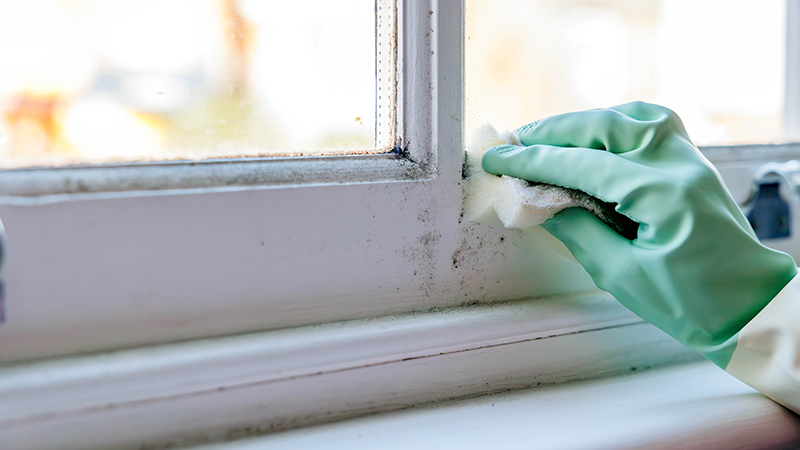
Cleaning areas where rodents could have been without wearing protective gear or having a cleaning plan can increase your risk of hantavirus exposure. Never sweep or vacuum dry droppings. This can send virus particles into the air.
Instead, follow these steps:
- Air out the space for at least 30 minutes.
- Wear rubber or plastic gloves and a mask or respirator to help filter airborne particles.
- Spray droppings with disinfectant or a diluted bleach solution. (Follow label instructions.)
- Let the area soak for at least five minutes before cleaning to avoid breathing in dust particles.
- Wipe up the area with paper towels and dispose of the waste in a sealed bag.
- Before removing your gloves, wash your gloved hands thoroughly with soap and warm water or a disinfectant.
- After removing your gloves, wash your hands again with soap and warm water.
What Treatment Is Available?
There is no specific cure for hantavirus. Treatment focuses on supportive care, including:
- Oxygen therapy
- Intravenous (IV) fluids
- Care in an intensive care unit
Getting medical help early is important, especially if breathing symptoms develop.
Key Points To Remember
Hantavirus is rare but serious. Most cases come from contact with an infected rodent — not from other people. You can protect yourself by:
- Avoiding contact with rodents and people who have been in contact with rodents and show symptoms of hantavirus
- Cleaning carefully
- Seeking medical care if symptoms develop after possible exposure
“If you are unsure about your symptoms or if you have had a possible exposure, talk to a medical professional right away,” says Dr. Angarone.
Featured Experts



 Chrome
 Edge
Edge Safari
 Firefox