


Treating Uterine Fibroids Without Surgery: Transcervical Fibroid Ablation (TFA)
No Incisions, No Hospital Stay
Published September 2025
For millions of people, uterine fibroids are more than just a health issue — they can cause heavy bleeding and chronic pain, and they can disrupt everyday life. A minimally invasive procedure called transcervical fibroid ablation (TFA) is helping people find relief without major surgery.
What Are Uterine Fibroids?
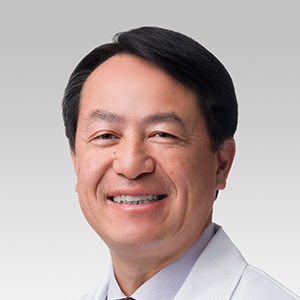
Recovery is rapid. Patients usually don't have much pain at all.— Alexander L. Lin, MD
Uterine fibroids are noncancerous (benign) growths in the uterus. They’re very common — up to 80% of people with a uterus in the United States develop them at some point during their reproductive years. These growths are influenced by hormones, such as estrogen, and can cause symptoms like:
- Heavy or prolonged menstrual bleeding
- Pelvic pain
- Bloating
- Pressure on the bladder or intestines
“Uterine fibroids affect millions of women per year. They can cause abnormal bleeding, fertility problems and pelvic pain,” says Alexander L. Lin, MD, an obstetrician-gynecologist (OB-GYN) and medical director for women’s health at Northwestern Medicine Palos Hospital.
How TFA Works
Historically, hysterectomy (surgery to remove the uterus) has been a common treatment for people with uterine fibroids. TFA is a less invasive option. It uses radiofrequency energy to heat and break down fibroid tissue. It’s performed on an outpatient basis, meaning you can go home the same day.
During TFA treatment, a thin, wand-like tool is gently inserted through the vagina and cervix into the uterus. The tip of the tool gives off ultrasound waves that help physicians find the fibroid tumors, then releases radiofrequency energy to heat and shrink them — all without incisions or stitches.
“Approximately 90% of patients who have symptoms with bleeding or pain will get very good relief following the fibroid ablation treatment,” says Dr. Lin. “Recovery is rapid. The patients usually don't have much pain at all. Typically, the following day, they're already back to work and functioning normally.”
One Patient’s Story
Cayce McConnell, a 46-year-old nurse practitioner from Frankfort, Illinois, had been struggling with painful, heavy periods for years. “It got to the point where I needed iron infusions and was missing work at times,” she says. “It was disruptive.”
Cayce has a strong family history of fibroids — many of her aunts had hysterectomies. But she wanted to avoid major surgery. After meeting with Dr. Lin, she learned about TFA.
“It was when I met Dr. Lin that he told me about a new option that targets and gets right to the root of the problem: the fibroids,” says Cayce.
Within a month of having the procedure, Cayce noticed relief from the period symptoms she had experienced previously. Her periods are now lighter, less painful and do not disrupt her life.
A Better Way Forward
TFA offers an option for people who want relief from fibroids, without the risks and recovery time of traditional surgery.
You may be a good candidate for TFA if you:
- Have symptomatic uterine fibroids (heavy periods, pelvic pain or pressure)
- Want a minimally invasive treatment with no cuts or stitches
It should be noted that TFA’s long-term impact on fertility and pregnancy is not yet fully known.
If you’re dealing with symptoms of uterine fibroids, talk to your physician about your options and what might be best for you.
Featured Experts


 Chrome
 Edge
Edge Safari
 Firefox