

Best Brain-Boosting Foods: What to Eat for Better Memory and Focus
8 Superfoods for Brain Health
Updated November 2025
Your brain can process information faster than a Formula 1 race car. And just like a car needs fuel to run, your brain needs the right brain-boosting nutrients to improve memory and concentration and support brain health.
Here are eight superfoods that are essential for brain function and how they can help.
Your best source of nutrients is from food.— Laura E. Wargo, RD
Salmon and Other Fatty Fish
About 60% of your brain is made of fat, and omega-3 fatty acids make up part of that fat. Fatty fish like salmon, trout and sardines are rich sources of omega-3 fatty acids, especially docosahexaenoic acid (DHA).
These healthy fats are important for building brain cells and keeping them working well. Omega-3s protect the brain from damage. They do this by helping to reduce inflammation and oxidative stress. Oxidative stress happens when harmful molecules called free radicals build up in the body and overwhelm its defenses. This can damage cells, including brain cells.
Omega-3s can also lower the risk for certain medical conditions like heart disease, depression and arthritis.
Eggs
Eggs are an excellent source of protein and contain choline, a nutrient that helps with memory and communication between brain cells. They also have tryptophan, which helps your body make serotonin, a chemical that boosts mood.
Blueberries
Blueberries are packed with antioxidants, especially flavonoids. These help improve blood flow to the brain and may improve concentration, learning and memory. They also protect the brain from damage caused by the aging process.
Leafy Greens and Cruciferous Vegetables
Both leafy greens and cruciferous vegetables are full of a variety of nutrients that help protect brain cells from harmful free radicals and may slow down cognitive decline. These are some of the brain-boosting nutrients they contain:
- Vitamin E
- Vitamin K
- Beta carotene
- Folate
Leafy greens include:
- Spinach
- Kale
- Arugula
Cruciferous vegetables include:
- Broccoli
- Cauliflower
- Brussels sprouts
Nuts
Nuts like walnuts, almonds and pistachios contain healthy fats, vitamins and minerals. Walnuts are especially good for the brain because they are packed with omega-3 fatty acids, which help fight inflammation and improve brain function.
Coffee
Caffeine in coffee can help you feel more alert and focused by blocking adenosine, a chemical that makes you feel tired. Coffee also contains antioxidants like polyphenols that may protect your brain in the long term. Just remember to drink it in moderation to avoid side effects like feeling jittery or trouble sleeping.
Dark Chocolate
Dark chocolate contains antioxidants, flavonoids and caffeine. These can improve blood flow to the brain and help with memory and focus. Choose chocolate with at least 85% cocoa for the most benefits.
Olive Oil
Known for its anti-inflammatory properties, olive oil is a good source of antioxidants and monounsaturated fatty acids — another type of healthy fat. Cooking with it or drizzling it over vegetables can help support cognitive function.
Sample Menu of Brain-Boosting Meals
Here’s a sample menu that includes a day of brain-friendly foods:
Breakfast
- Scrambled eggs with vegetables
- Blueberries
Snack
- Plain Greek yogurt
- Berries
Lunch
- Grilled chicken breast
- Salad with:
- Spinach
- Kale
- Carrots
- Cucumbers
- Beans
- Homemade dressing with olive oil and lemon
Snack
- Mixed nuts
Dinner
- Grilled or baked salmon
- Quinoa
- Roasted vegetables with olive oil
Dessert
- Dark chocolate
Diets That Support Brain Health
The MIND diet and Mediterranean diet are two eating plans designed to nourish your brain. They focus on:
- Whole grains
- Leafy greens
- Berries
- Nuts
- Fish
- Olive oil
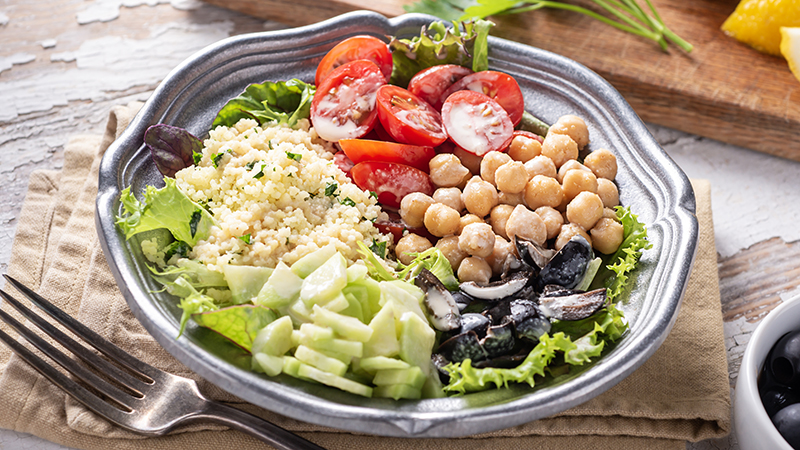
- Beans and legumes
These eating plans limit the following foods:
- Red meat
- Butter
- Cheese
- Sweets
- Fried foods
“Research suggests that following the MIND diet and Mediterranean diet may help lower the risk of cognitive decline and diseases like Alzheimer’s disease,” says Laura Wargo, RD, a registered dietitian at Northwestern Medicine.
How to Tell if Brain-Healthy Eating Is Working
Once you start incorporating more of these foods, you might notice you have better focus, memory and mood. Although there’s no quick way to see if these foods are having an impact on your brain health, physicians can use tools like:
- Blood tests to measure nutrient levels
- Memory tests
- Cognitive assessments
- Brain imaging
These tests can help track how your brain is doing over time.
“Your physician can determine the need for one of these cognitive screenings,” says Wargo.
Supplements for Brain Health
You can take supplements like omega-3s (fish oil) and vitamin B12 for brain health. But unless you have a deficiency, supplements may not help much.
“Research shows there is currently no strong data supporting the use of supplements for brain health,” says Wargo. “Your best source of nutrients is from food.”
Advances in Brain Nutrition Research
Scientists are learning more about how the food you eat can affect your brain. They look at factors like nutrient biomarkers, which show the amount of certain vitamins and antioxidants in your blood. This helps them understand how your diet may be affecting your brain and overall health.
They also use neuroimaging, which is a type of brain scan that can see changes in the brain that could be linked to what you eat. These scans give them a better idea of how food and brain health are connected.
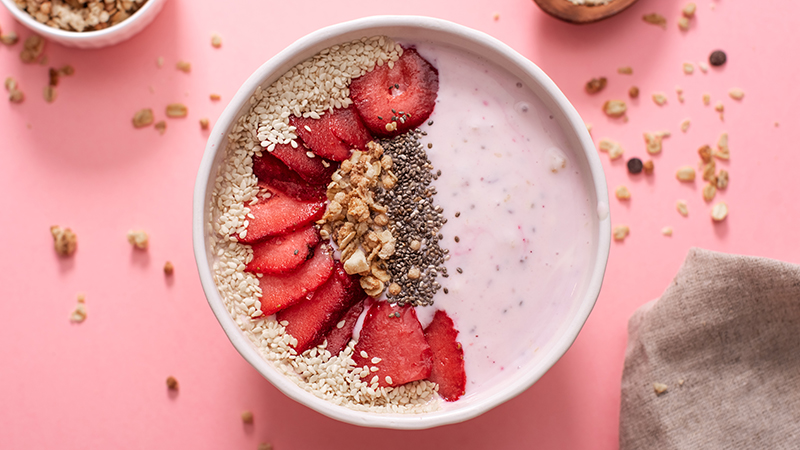
Researchers are also learning more about how the gut and brain work together to affect how you feel. Eating foods with fiber and fermented foods like yogurt can help keep your gut healthy. A healthy gut may help lower anxiety and boost your mood.
Smart Eating for a Sharper Mind
Limit processed foods and added sugars, and incorporate more nutrient-rich foods that are known for improving brain health, including:
- Healthy sources of protein like fish, eggs and nuts
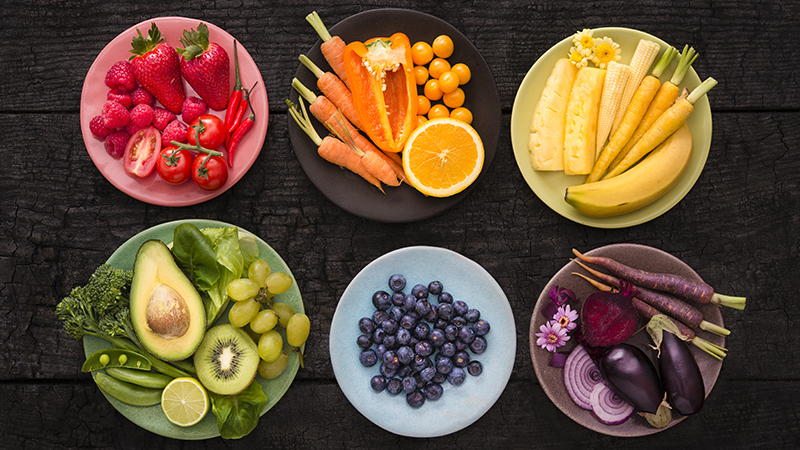
- Colorful fruits and vegetables
- Healthy fats
“Include a variety of whole foods primarily and eat everything else in moderation,” says Wargo.
These foods play an important role in improving focus and concentration and help to reduce your risk of memory loss. Small changes in the way you eat can make a significant difference for your brain health today and in the future.
Featured Experts

 Chrome
 Edge
Edge Safari
 Firefox