


Why Does Your Hair Grow Back Differently After Chemotherapy?
New Color, Texture or Curls
Updated September 2025
Chemotherapy is a powerful treatment designed to target and destroy rapidly dividing cancer cells. It also affects other fast-growing cells in the body — including those in your hair follicles. This is why many people undergoing chemotherapy experience hair loss across their entire body.
When your hair grows back after chemotherapy, you may have a different hair color and texture. Many people who previously had straight hair get "chemo curls," or curly hair that grows after chemo. People with curly hair may notice it grows back straighter. Some people also see changes in hair color — for example, dark hair may come back lighter, or even with a reddish tint.
Interestingly, while scalp hair may change in texture or color, other body hair — such as eyebrows and eyelashes — typically regrows with little to no noticeable difference.
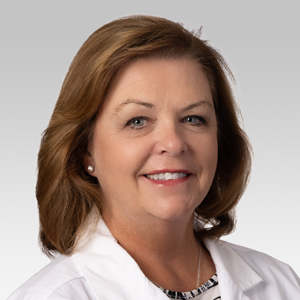
Karen Kinahan, DNP, APRN, FNP-BC, a hematology and oncology certified nurse practitioner at Robert H. Lurie Comprehensive Cancer Center of Northwestern University, explains why these changes happen to your hair after chemotherapy and what to expect.
Why Your Hair May Change
Changes in hair texture and color are largely due to the lingering effects of chemotherapy in the body. These medications can temporarily alter the way your hair follicles function, disrupting the normal process of hair strand formation. As a result, your new hair may be finer, more fragile, a different color or grow in uneven patches.
These effects are usually temporary. As your body continues to heal, your hair follicles often return to their pre-treatment behavior.
How Long Does It Take for Your Hair to Grow Back After Chemo?
Hair typically begins to regrow within three to six months after completing chemotherapy. However, it can vary widely depending on several factors:
- Age: Older individuals may experience slower regrowth or more permanent changes.
- Type of chemotherapy: Different medications have different impacts on hair follicles.
- Genetics: Your genetic makeup can influence how your hair responds to treatment.
- Overall health: Nutrition, hormone levels and immune function all play a role in hair regrowth.
Caring for Your New Hair
As your hair begins to grow back, it’s important to treat it gently. Newly regrown hair is often more delicate and prone to damage. Here are some tips to support healthy regrowth:
- Avoid heat styling: Refrain from using curling irons, straighteners or blow dryers until your hair becomes stronger.
- Skip chemical treatments: Wait to color, perm or relax your hair until it’s stronger and more resilient. If you’re unsure, talk to your oncologist or care team.
- Use gentle products: Choose shampoos and conditioners that don’t include sulfates, parabens or synthetic fragrances. Look for natural moisturizing ingredients like plant-based oils and soothing botanical extracts like aloe vera and chamomile.
- Protect your scalp: Wear hats or scarves and sunscreen to protect your scalp from sun exposure.
Can You Prevent Hair Loss During Chemo?
You can't prevent hair loss during chemo entirely, but you can reduce it by wearing a cooling cap.
Cooling caps are rubberized caps cooled with water until they reach a temperature just above freezing (around 37 degrees Fahrenheit). Patients wear them before, during and after chemotherapy sessions.
The cold from the cap makes the blood vessels in the scalp tighten. This can reduce the amount of chemo that reaches the hair follicles and help prevent hair loss.
The time patients spend wearing the cooling cap varies based on their chemotherapy. Your care team will provide instructions on how long to wear it.
Navigating the Changes
For some, hair changes are a symbol of resilience and renewal. For others, the loss of hair or changes in hair texture or color can be emotionally challenging, especially when they serve as a visible reminder of a cancer journey. This can lead to feelings of sadness, anxiety or isolation, which is why emotional support is important. Whether through counseling, support groups or loved ones, having a safe space to process your feelings can make a big difference.
Featured Experts


 Chrome
 Edge
Edge Safari
 Firefox