


Grit and Gratitude: A Cop’s Comeback After Emergency Heart Surgery
Discovering a Deadly Type A Aortic Dissection Just in Time
Published March 2026
For Bartlett police sergeant Chris Johnson, life took a dramatic turn in March 2025. A father of two, he experienced a type A aortic dissection, a sudden tear in the wall of the aorta, the body’s main artery. This tear can lead to poor blood flow and cause the aorta to bulge (aortic aneurysm) or rupture.
The condition is often fatal without fast diagnosis and emergency surgery. National estimates show that nearly 13,000 people in the United States die each year from an aortic dissection.
An aortic dissection is a life-threatening emergency where every second counts.— Christopher K. Mehta, MD
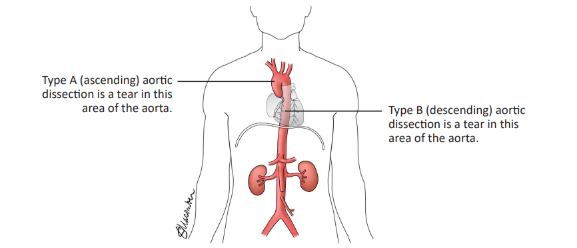
A Race Against Time
When Chris first arrived at Northwestern Medicine Central DuPage Hospital, initial scans did not show the tear. To get a closer look, emergency physicians ordered a second scan. It revealed the dangerous condition and launched a rapid, coordinated response across several Northwestern Medicine hospitals.
The team sprang into action:
- Clinicians activated the Northwestern Medicine Code Aorta “Direct‑to‑OR” program that streamlines emergency care for patients with aortic dissections.
- Chris was immediately airlifted to Northwestern Memorial Hospital.
- The surgical team prepared for his open‑heart procedure.
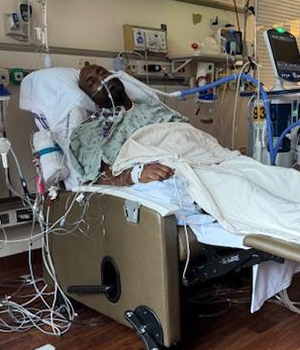
in the ICU.
"An aortic dissection is a life-threatening emergency where every second counts. Most patients will die without immediate surgery," says Christopher K. Mehta, MD, Chris’ cardiac surgeon at Northwestern Medicine Bluhm Cardiovascular Institute. "In this case, rapid diagnosis and transfer through our Code Aorta program were critical to get him to definitive surgery so we could save his life."
Chris spent six hours in emergency surgery, followed by 10 days in the Intensive Care Unit (ICU).
Getting Stronger With Rehabilitation
After leaving the ICU, Chris began intensive therapy at Northwestern Medicine Marianjoy Rehabilitation Hospital. His main goals: to get back to caring for his family and return to full duty as a police sergeant.
“I 100% would not have been able to come back like I did if it wasn’t for the help of Marianjoy,” says Chris. “It was a lot of work — arm exercises, hand exercises, fine motor skills like putting pegs in holes with one hand. All that repetitiveness helped me get back to the job I love.”
Beth Bosak, OTR/L, MHS, was Chris’ occupational therapist at Marianjoy. She built a customized plan based on his responsibilities at home and on the job.
“We look at roles — what’s important to them at home and at work,” says Bosak. “For Chris, that meant simulating tasks that use the same muscles and cognitive skills he needs as a police officer. It was incredible to see him accomplish those things, even on days he left discouraged.”
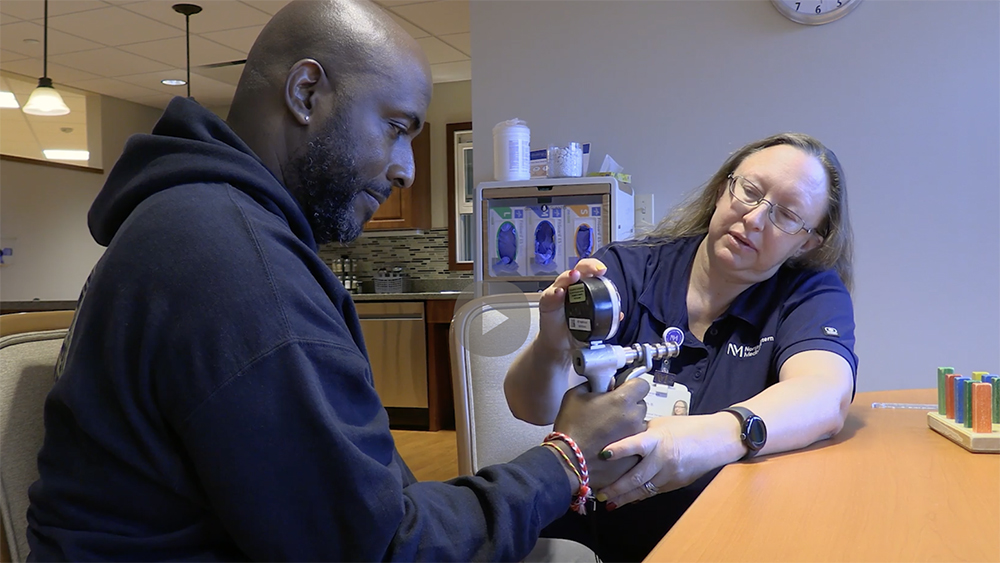
Over time, Chris regained the physical and mental strength and fine motor control needed for daily tasks. He had to be able to handle equipment, write reports and respond under pressure. His care team says his steady progress shows how rehabilitation restores physical and cognitive abilities — as well as independence and confidence.
Family and Community Support
At home in Carol Stream, Illinois, Chris is a husband and father to a young daughter and son. Before his medical crisis, he stayed active by playing basketball and working out — habits that supported his demanding role as a police sergeant. Now, Chris faces each day with a different kind of focus.
“Every day I take it one step at a time,” says Chris. “I’ve changed my eating habits, I’m more cautious, but I’m grateful to be here for my wife, my kids.”
His recovery inspired those around him, including fellow officers in Bartlett.
“He’s one of those guys with a joyful spirit who wants to make an impact in the community,” says William Naydenoff, Bartlett deputy chief of Support Services. “His goal from day one was to get back to work full duty. If you looked at him on a Monday, by Wednesday he was light years ahead.”
A Friendship That Spans Decades
For Bartlett police chief Ryan Conway, Chris’ story is deeply personal. The two have been close since high school and supported each other throughout their careers.
“Chris and I have been close since high school,” says Ryan. “When I heard what happened, I called and left a message: ‘I love you, dude. I know you’re going to be all right.’ We wanted his wife and kids to know they had a family behind them — bigger than they imagined. Law enforcement as a whole was pulling for them.”
Ryan says Chris’ return feels like more than good luck.
“I truly believe he was spared for a higher purpose,” says Ryan. “His strength and work ethic inspire all of us. Having him back is incredible — he’s my sounding board, my strength. He’s got your six — not just as a backup officer, but as a wellness officer, making sure everyone here takes care of themselves.”
‘Go Get Checked’
In just 10 weeks, Chris returned to active duty — an outcome his care team calls remarkable. Now he’s passionate about helping others understand their risk for hypertension and heart disease, especially Black men and people in high‑stress jobs.
“We have to get away from that stigma of ‘I’m fine.’ Go get checked,” says Chris. “Do your physicals, follow-ups, blood work. It could save your life.”
Aortic Dissection Symptoms and Causes
An aortic dissection may develop without any symptoms, although this is uncommon. Symptoms depend on where the aorta tears but may include:
- Severe chest or back pain between the shoulder blades
- Abdominal pain
- Numb, cold or paralyzed legs
Symptoms of an aortic dissection require immediate medical attention. Call 911 or your local emergency number right away, or seek immediate emergency medical care.
Several factors may contribute to the development of an aortic dissection, including:
- Atherosclerosis (fat, cholesterol and calcium deposits inside the aorta)
- Connective tissue disorders, such as Marfan syndrome
- Bicuspid aortic valve (a birth defect)
- Inflammatory disease
- High blood pressure
- Trauma to the chest
- Family history of aneurysm or dissection
Take a brief risk assessment today to learn more about your heart health.
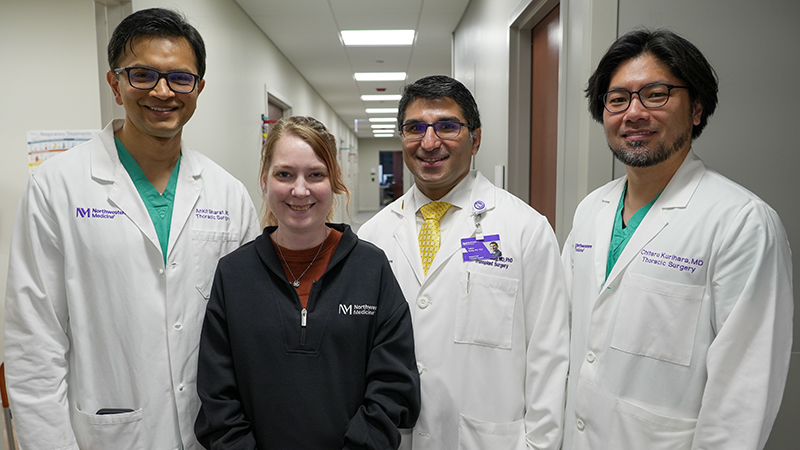
Featured Experts


 Chrome
 Edge
Edge Safari
 Firefox