


Rapid Cardiac Response Saves 35-Year-Old After Sudden Heart Attack
A Mom’s Quick Decision and a Highly Coordinated Medical Team Made All the Difference
Updated April 2026
Heart attacks were once thought to strike later in life. But in recent years, doctors have seen a steady rise in heart attacks among adults under 40. It is a trend that has left many families blindsided.
Derrick Hall and his loved ones know this all too well.
Heart disease does not always look the way we expect.— Ricardo Boix, MD
A Sudden Turn
On an August morning, 35-year-old Derrick left his home in Waukegan, Illinois, for what should have been a nice outing with his mother, Lisa Zebedee, to a nearby shopping mall. When Lisa came to pick him up, Derrick said he had just vomited. He brushed it off and insisted he felt well enough to go on with their plans.
“About 15 to 20 minutes later, I heard a sudden grunt and out of the corner of my eye, I saw Derrick’s arm come up, pressed tightly against his chest,” says Lisa, also a Waukegan resident. “I asked, ‘Are you okay?’ but when I turned to look at him fully, he said nothing. The look in his eyes is something that still haunts me to this day.”
Realizing something was wrong — and recognizing the possible signs of a heart attack — Lisa drove to the nearest emergency department at Northwestern Medicine Catherine Gratz Griffin Lake Forest Hospital.
“I drove right up to the doors, telling the man behind the counter, ‘My son’s having a heart attack.’ Derrick walked in on his own, still holding his arm against his chest,” recalls Lisa. “They took him into a room right away while I waited in what felt like an eternity of silence in the waiting room. From then on, everything was overwhelming and unfamiliar.”
Understanding What Happened
Derrick was having a non–ST elevation myocardial infarction (NSTEMI), a type of heart attack caused by a partial blockage in a coronary artery. These arteries are blood vessels that carry oxygen-rich blood to the heart.
Clinicians also found that he had advanced coronary artery disease. It was much more advanced than expected for someone his age.
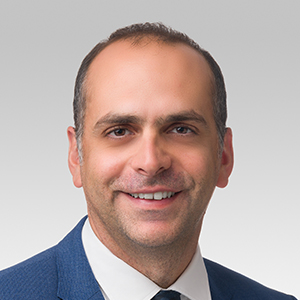
“When blood flow is reduced, the heart struggles to function,” explains Ricardo Boix, MD, a cardiac surgeon at Northwestern Medicine McHenry Hospital. “It’s unable to beat properly and becomes deprived of oxygen, which damages the heart muscle and can quickly become life-threatening.”
“Time is critical during a heart attack,” adds Dr. Boix. “His mother’s quick recognition of symptoms and decision to get him to the hospital quickly likely saved Derrick’s life and prevented more extensive damage to his heart.”
Emergency Surgery and Team Care
After initial care, the team transferred Derrick to Northwestern Medicine McHenry Hospital for planned surgery later in the week. Within hours of arrival, his condition became urgent.
“Despite an intra‑aortic balloon pump and nitroglycerin drip, Derrick continued to have significant chest pain,” says Dr. Boix. “His risk was increasing quickly. We made the decision to take him for emergency surgery.”
With support from a multidisciplinary care team, Dr. Boix performed a coronary artery bypass graft (CABG) procedure, also called open-heart surgery, which restores blood flow to the heart by bypassing blocked arteries.
“Heart surgery requires a highly coordinated team effort — from the surgeon, cardiologists, anesthesia staff, physician assistants, and perfusion teams to our nurses and ICU staff. Every individual plays a vital role,” says Dr. Boix. “At McHenry Hospital, we are privileged and fortunate enough to have an exceptional team prepared to respond rapidly in emergency situations. Their skill, dedication and teamwork are reflected in outstanding patient outcomes such as this one.”
Life After Heart Surgery Recovery
Derrick’s recovery went smoothly, and he continues to do well during follow‑up visits. While he feels good, he says he is still working to build back his strength and endurance.
“I know it will take time, but I’m continuing to improve,” says Derrick. “I am looking forward to getting back to how I was before the heart attack.”
Where Skill, Communication and Compassion Meet
For Lisa, the experience was overwhelming from the moment her son was taken back for heart attack treatment. She credits the Northwestern Medicine McHenry Hospital team for bringing structure, calm and clarity during the most frightening hours of her life.
“A room was ready the second he arrived. There were monitors, wires — people moving quickly but with complete control,” says Lisa. “They allowed us to stay with him, talked us through everything and never made us feel like we were in the way. Their compassion stayed with us.”
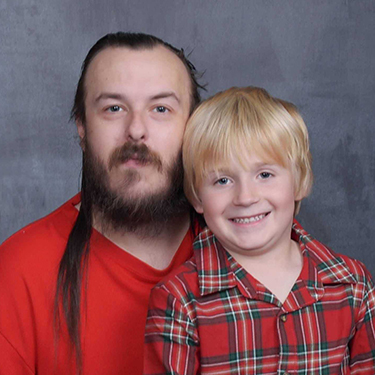
Meeting Dr. Boix gave both Derrick and his family a sense of trust.
“Dr. Boix was incredible through the whole thing,” recalls Derrick. “He always took the time to explain what was going on, what was going to happen and what I could expect. He listened to me and my family when we had questions.”
The family was so moved by the emergency heart care they received that they wrote letters to Dr. Boix and delivered them in person to him and the Intensive Care Unit staff. Derrick’s nephew personally thanked Dr. Boix for saving his best friend.
“We needed them to know what they did for us,” says Lisa. “They didn’t just care for Derrick, they cared for our family. Dr. Boix is our hero, and the entire team will always hold a place in our hearts.”
A Silent Risk: Heart Attacks in Young Adults
Derrick’s diagnosis also sheds light on a growing but often overlooked reality: Coronary artery disease can develop at any age. Many people do not know they have it until a heart attack or another serious event happens.
“I had no idea heart disease could happen to me, especially at 35,” says Derrick. “There’s no heart history in my family, so we were all surprised.”
Coronary artery disease can progress silently for years. But there are ways to manage your risk.
How To Lower Heart Attack Risk
Heart disease remains the leading cause of death in the United States. Nearly half of all Americans have some form of cardiovascular disease, often without knowing it.
“Prevention and early detection are critical,” says Dr. Boix. “Derrick’s story is a powerful reminder that heart disease does not always look the way we expect. Knowing your personal risk factors, including family history, is a first step to keeping your heart healthy.”
To better understand your own heart disease risk factors, take this online heart risk assessment.
Other ways to help detect and prevent heart disease include:
- Getting regular heart screenings, blood pressure checks and monitoring cholesterol levels
- Getting at least 30 minutes of moderate-intensity exercise every day, plus strength training to build muscle
- Aiming for seven to nine hours of sleep each night
- Managing your stress with techniques like mental health therapy, meditation or breathing exercises
- Eating a healthy diet with plenty of fruits, vegetables and whole grains
Featured Experts

 Chrome
 Edge
Edge Safari
 Firefox