


How To Stop Hiccups: Home Remedies, Causes and When To See a Doctor
Tips You Can Use Every Day To Keep Hiccups at Bay
Published August 2026
Ever notice how hiccups seem to show up at exactly the wrong time? One minute you’re enjoying dinner or settling into bed, and the next you’re dealing with an annoying series of “hic” sounds you can’t control.
While most hiccups are harmless and disappear within a few minutes, understanding why they happen and knowing a few simple tricks can help you stop them sooner.Persistent hiccups can sometimes be a sign of an underlying issue.— Sanjana Soni, DO
“Most hiccups last only a few minutes and aren’t a cause for concern,” says Sanjana Soni, DO, a family medicine physician at Northwestern Medicine. “They’re usually triggered by temporary irritation of the nerves or muscles involved in breathing. However, hiccups that last longer than 48 hours may signal an underlying medical condition and should be evaluated if they interfere with your everyday activities or quality of life.”
What Happens When You Hiccup?
Hiccups occur when your diaphragm, the large muscle beneath your lungs that helps you breathe, suddenly contracts without you meaning to. The muscles between your ribs may contract as well. This causes your vocal cords to close suddenly, producing the familiar “hic” sound.
Two key players are involved:
- The phrenic nerve, which controls the diaphragm
- The vagus nerve, which connects the brain to many organs, including the digestive tract
When either nerve becomes irritated, hiccups can result.
What Causes Hiccups?
Many hiccup triggers have one thing in common: They temporarily affect the diaphragm, vagus nerve or digestive tract.
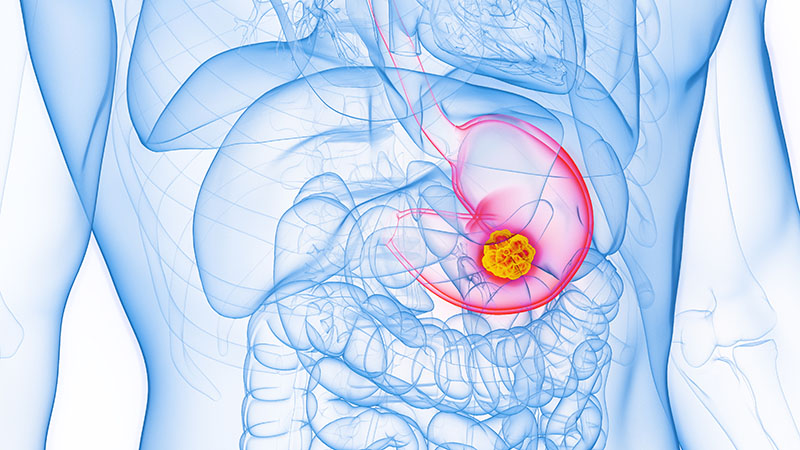
“Hiccups often happen when the stomach becomes stretched or irritated,” says Dr. Soni. “There’s a strong connection between the digestive system and the nerves that help control breathing, which is why things like overeating or eating too quickly can cause them.”
Common triggers include:
- Eating or drinking too quickly
- Overeating
- Drinking carbonated beverages
- Drinking alcohol
- Smoking
- Eating hot or spicy foods
- Swallowing too much air
- Sudden temperature changes in food or drinks
- Excitement, stress or strong emotions
Ways To Stop Hiccups
Most hiccups go away on their own. Still, several home remedies may help interrupt the reflex that causes them.
Try breathing techniques
Changing your breathing pattern may help relax the diaphragm and reset the hiccup reflex.
- Hold your breath for several seconds to increase carbon dioxide levels, which may help stop hiccups.
- Try measured breathing: Inhale slowly through your nose while counting to five, then exhale while counting down to five, which may help calm the respiratory cycle.
- Try the Valsalva maneuver: Pinch your nose, close your mouth and try to gently exhale as if you’re blowing up a balloon.
Stimulate the vagus nerve
Some remedies may help by stimulating the vagus nerve:
- Swallow a spoonful of sugar
- Sip cold water slowly
- Gently pull on your tongue
- Drink water from the far side of the glass
- Sit and pull your knees up to your chest for 30 to 60 seconds
While these remedies are popular, there’s no guaranteed cure for hiccups. Many home remedies are based on personal experience rather than strong scientific evidence.
Still, some approaches to getting rid of hiccups may work because they:
- Alter breathing patterns
- Stimulate the throat or esophagus
- Affect specific nerve signaling
Other remedies, such as having someone startle you, may work occasionally but tend to be less reliable.
When Hiccups Last Longer
In most cases, hiccups last a few minutes. When they don’t go away, it’s worth paying closer attention.
Healthcare professionals categorize hiccups as:
- Acute: lasting less than 48 hours
- Persistent: lasting more than two days
- Intractable: lasting longer than one month
Persistent or intractable hiccups may be linked to:
- Gastroesophageal reflux (GERD)
- Certain medications, such dexamethasone (steroid) and some sedatives
- Neurological conditions
- Cardiovascular disease
- Pulmonary conditions
- Ear, nose and throat conditions
- Electrolyte imbalances
- Kidney impairment or uremia
- Central nervous system lesions
- Recent surgery
When To See a Doctor
Hiccups are typically harmless, but it’s a good idea to seek medical care if:
- They last more than 48 hours
- They interfere with eating, sleeping or breathing
- They occur along with other symptoms, such as chest pain or difficulty swallowing
“Persistent hiccups can sometimes be a sign of an underlying issue, such as acid reflux, medication side effects or more serious health conditions,” says Dr. Soni. “If hiccups are disrupting daily life or lasting for days, a healthcare professional can help identify the cause and recommend treatment.”
In some cases, prescription medications may help, depending on the underlying cause, she adds.
Long-Term Habits To Help Prevent Hiccups
You may not be able to prevent every case of hiccups, but a few simple habits may reduce how often they happen.
Eat and drink more mindfully
Eating too quickly is a common trigger. To help prevent hiccups:
- Eat slowly and chew thoroughly.
- Avoid talking while chewing.
- Take smaller bites and sip beverages.
Limit dietary triggers
Some foods and beverages may cause hiccups for certain people:
- Reduce carbonated beverages.
- Moderate spicy foods.
- Avoid alternating very hot and very cold foods or drinks.
Support digestive health
Because hiccups are often linked to digestive irritation:
- Avoid overeating, which can stretch the stomach.
- Stay upright for at least 30 minutes after eating.
- Manage acid reflux with dietary changes or medical guidance.
Manage stress and breathing patterns
Stress and rapid breathing can contribute to hiccups:
- Practice slow, controlled breathing.
- Use relaxation strategies, such as mindfulness or gentle stretching.
- Avoid shallow breathing.
Stay hydrated
Dehydration may irritate the throat and esophagus:
- Drink water consistently throughout the day.
- Sip fluids rather than consuming large amounts at once.
Know your triggers
If hiccups happen frequently:
- Look for patterns related to meals, stress or certain foods.
- Adjust habits when possible.
Small, steady habits can help reduce how often hiccups occur and how long they last.
“Everyone gets hiccups from time to time,” says Dr. Soni. “Understanding your personal triggers and knowing a few simple remedies can help you manage them. And if they become persistent, it’s worth getting checked out.”
Make an Appointment
Featured Experts

 Chrome
 Edge
Edge Safari
 Firefox