


Do Fermented Foods Support Gut Health?
Yogurt, Kefir and Other Beginner-Friendly Options To Get Started
Published June 2026
Fermented foods have been part of traditional diets around the world for thousands of years. Originally created to preserve and extend the shelf life of seasonal foods, they are now gaining attention for their potential role in supporting gut health, digestion and overall well‑being.
Research continues to explore how fermented foods may support health, especially digestion. As interest grows, many people are looking to better understand what these foods are and how they may fit into their daily routine.
What Are Fermented Foods?
Fermented foods consist of unprocessed, natural ingredients with few additives.— Laura E. Wargo, RD
Fermented foods, including everyday options like yogurt and sourdough bread, are made through a natural fermentation process in which microorganisms like bacteria or yeast break down sugars in food.
Fermentation helps preserve food and changes its flavor, texture and how it is digested. Many people notice a slightly sour or tangy flavor, which comes from lactic acid produced during fermentation.
Some fermented foods that are not pasteurized can contain live, beneficial bacteria that may support digestion.
“Fermented foods consist of unprocessed, natural ingredients with few additives,” says Laura E. Wargo, RD, a registered dietitian at Northwestern Medicine.
Examples of fermented foods
- Yogurt is made by fermenting milk with beneficial bacteria, giving it a tangy taste.
- Kefir is a drinkable fermented milk made using special cultures. It’s thinner than yogurt and has a slightly tart flavor.
- Kimchi is a traditional Korean dish made from fermented vegetables (often cabbage) with spices, giving it a bold, spicy taste.
- Sauerkraut is finely shredded cabbage that has been fermented in salt. It has a sour flavor and is often used as a topping or side dish.
- Miso is a paste made from fermented soybeans (and sometimes rice or barley). It’s commonly used to add a rich, savory flavor to soups and sauces.
- Tempeh is a firm, protein‑rich food made from fermented soybeans. It has a nutty flavor and is often used as a meat alternative.
- Kombucha is a lightly fizzy drink made by fermenting tea, giving it a tangy flavor that can taste slightly sweet or sour.
- Apple cider vinegar is made from fermented apples and is often used in salad dressings and sauces.
- Certain pickled foods like pickled red onions can also be fermented (rather than just preserved in vinegar).
Unlike probiotic supplements or foods with added cultures, fermented foods provide bacteria along with nutrients like fiber, vitamins and minerals in whole‑food form.
Fermented Foods and Gut Health
One of the main reasons people try fermented foods is to support gut health — similar to probiotic supplements. The gut contains trillions of bacteria that help digest food, regulate the immune system and support overall health.
Some research suggests that eating fermented foods may aid in improving digestion and help people with digestive concerns, including irritable bowel syndrome (IBS). However, findings are still limited, and results can vary widely from person to person.
Potential Benefits
Fermented foods may:
- Support digestion.
- Help the body absorb nutrients.
- Increase diet variety, which may support a diverse gut microbiome.
- Support immune function.
Fermented dairy products like yogurt, kefir and Greek yogurt also provide protein and calcium, making them nutrient‑dense choices.
Fermented foods can be a helpful addition to a healthy diet, but they are not a required or standalone solution for gut health. They work best alongside other balanced food choices.
“There has not yet been any confirmation of significant health benefits from eating fermented foods. More research is needed,” says Wargo.
Beginner-Friendly Fermented Foods
If you’re new to eating fermented foods, start simple with beginner-friendly options that are widely available:
- Greek yogurt with live cultures
- Traditional kefir or kimchi
- Sauerkraut used as a condiment or side dish
- Fermented vegetables, such as naturally pickled cucumbers
- Sourdough bread, which is fermented before baking
- Foods made from fermented soybeans, such as tempeh or miso
Trying small portions first can help you understand how your body responds to fermented foods.
If you’re unsure where to begin, Wargo recommends choosing simple options: “Yogurt is a great source of protein. And whole-grain sourdough can be a great source of fiber,” she says.
How Much Should You Eat?
There’s no set rule for how much fermented food to eat. A common starting point is one small serving per day, such as a half cup of yogurt or a few bites of kimchi.
Larger portions may cause gas or bloating, especially when first adding these foods. Gradually increasing intake can make it easier for your body to adjust.
Who Should Be Cautious?
Fermented foods are typically safe to eat, but some people may need to be cautious when eating them, including:
- People with IBS, depending on individual triggers
- Those with sensitivities to histamine (a natural substance your body makes that is also found in some foods, which can trigger symptoms like headaches or digestive discomfort)
- People prone to migraines triggered by fermented foods
- Anyone on a sodium‑restricted diet (as some fermented foods are high in salt)
“If you have a compromised immune system or are taking certain medications — like those used to treat depression and Parkinson's disease — you should avoid eating fermented foods or eat them with caution,” says Wargo. “Always check with your doctor to see if these foods are safe for you.”
How To Buy Fermented Foods
Many grocery stores carry a variety of fermented foods. When shopping, look for products that:
- Say “live and active cultures” (as many brands of yogurt do)
- Are stored in the refrigerated section
Shelf‑stable options often don’t contain live bacteria unless clearly labeled. Check labels to confirm whether they contain live, beneficial bacteria.
Easy Ways To Add Fermented Foods
You don’t need to change your entire diet to include fermented foods. Simple additions can help:
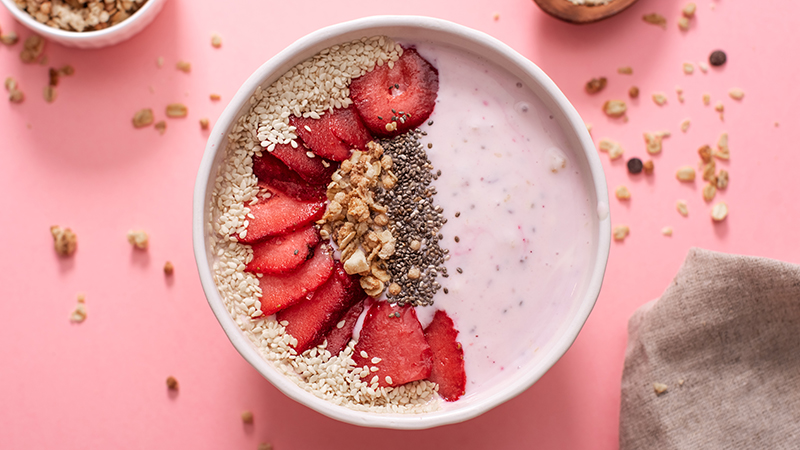
- Add yogurt or kefir to smoothies.
- Top bowls or salads with kimchi.
- Swap your regular toast for sourdough bread.
- Add miso to soups or sauces.
These small, practical changes can make it easier to include fermented foods in everyday meals. A registered dietitian can also help tailor these choices to fit your needs.
Featured Experts

 Chrome
 Edge
Edge Safari
 Firefox