


How To Meal Prep To Save Time and Money
Plan Ahead To Simplify Busy Weeks
Updated June 2026
With busy schedules and full to‑do lists, planning meals ahead has become increasingly popular — and for good reason. While meal prepping can feel overwhelming at first, it doesn’t have to be complicated. With a little planning, it can help you save time, save money and make healthy eating easier.
Think of meal prepping as creating ‘shortcuts’ for future meals.— Gantina Setiawati, MS, RD, LDN
Instead of deciding what to eat each day, meals are already prepared and ready when you need them — making it easier to stay consistent, even during busy stretches.
Whether you’re cooking for yourself or your family, meal prep can take the stress out of your daily routine. The key is to start small and build simple habits that fit your schedule and lifestyle.
Why Meal Prepping Matters
Meal prep isn’t just about convenience — it also comes with health benefits and supports more consistent daily habits. When you plan meals, you’re more likely to choose balanced options instead of reaching for whatever is quickest or most convenient.
Meal prep can help you:
- Make more consistent, healthy choices.
- Reduce food waste, which helps save money.
- Avoid last-minute takeout or fast food.
- Feel more prepared and less stressed during busy weeks.
“Meal prep can support more than healthy eating,” says Gantina Setiawati, MS, RD, LDN, a registered dietitian at Northwestern Medicine. “It can also help reduce stress around food choices, improve portion awareness and make meals more predictable.”
Having food ready can support healthier food choices and make it easier to eat more balanced meals.
“It doesn’t need to happen on a specific day or follow an all-or-nothing approach. Even preparing one or two items ahead of time can make a meaningful difference during the week,” says Setiawati.
How To Get Started
If meal prepping is new for you, don’t try to do everything at once. Instead, focus on a few small steps:
- Make a short grocery list.
- Choose easy recipes with a few ingredients.
- Pick two or three meals to prepare ahead, such as dinners for a few days of the week.
- Gather basic supplies like meal prep containers to keep food organized and ready to go.
“Meal prepping doesn’t require cooking everything from scratch,” says Setiawati. “Think of meal prepping as creating ‘shortcuts’ for future meals.”
Setiawati recommends identifying the most challenging part of the day. For some people, it may be breakfast, and for others, it’s deciding what to eat for dinner after work.
“Focus on solving one problem first instead of trying to organize every meal,” says Setiawati. “Preparing protein-rich breakfasts for several days or having ready-to-use dinner ingredients available can create meaningful changes without requiring a large time commitment.”
Foods To Choose for Meal Prep
Some foods hold up better than others when stored for a few days. Choosing the right types of food can make meal prep easier.
“Foods with multiple uses throughout the week tend to work best,” says Setiawati. “Certain foods can easily be incorporated into different meals and snacks.”
Foods that work well for meal prepping:
- Cooked grains, such as farro, rice or quinoa
- Overnight oats
- Roasted sweet potatoes
- Steamed vegetables
- Fresh-cut fruit
- Lean protein like shredded chicken, beans and lentils
- Turkey meatballs
- Hard-boiled eggs
“Foods that may not work as well are items that change texture quickly or require immediate preparation for the best quality,” says Setiawati.
Foods that don’t store well:
- Cut fruits, such as apples, pears and avocados, which can brown quickly
- Breaded proteins that lose crispness after storage
- Fresh salads with watery vegetables that wilt or release moisture
- Cream-based sauces that may separate when reheated
How To Save Time During Busy Weeks
The biggest benefit of meal prep is how much time it saves you later. By cooking once and eating the prepped foods throughout the week, you can simplify your routine.
Time-saving strategies:
- Cook extra portions for future meals.
- Prep ingredients like chopped vegetables ahead of time.
- Use simple cooking techniques like baking or one-pan meals.
- Assign prep tasks to specific days of the week.
For example, grocery shop on one day and prep and portion meals the next day. This keeps the process manageable.
How To Decide What To Eat
“People often spend more time deciding what to eat than actually preparing food,” says Setiawati. “Having a simple framework can reduce the number of decisions you need to make.”
Setiawati shares a strategy that uses a mix-and-match formula. To be sure you’re getting a wide variety of nutrients, including vitamins and minerals, choose one food from each of the following categories:
- Protein: chicken, fish, tofu, beans or eggs
- Carbohydrate: rice, potatoes, whole-grain pasta or quinoa
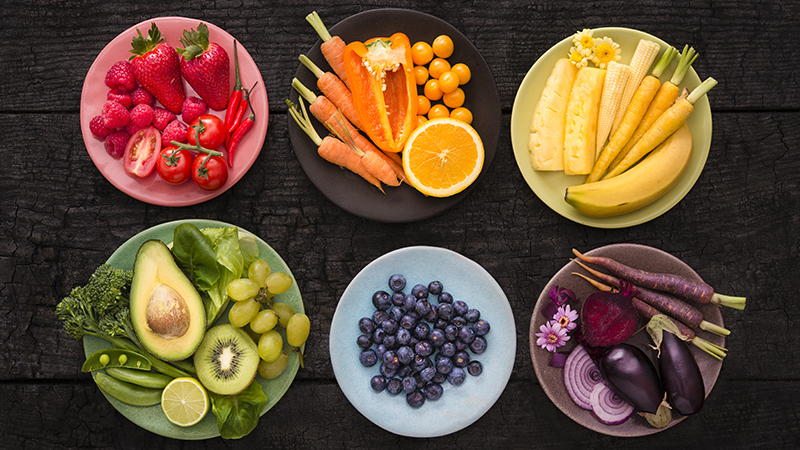
- Produce: fiber-rich roasted vegetables, leafy greens or fresh fruit
- Flavor: salsa, herbs, sauces or seasoning blends
- Healthy fats: nuts, seeds or olive oil
“This formula allows you to create multiple meals without feeling like you’re eating the same thing every day,” she says.
How Long Do Meals Stay Fresh?
“A common meal-prepping mistake is forgetting about food safety and storage,” says Setiawati. “Meal-prepped foods should be stored and consumed within recommended time frames.”
Keep meals safe and fresh by following food safety and storage guidelines from the U.S. Department of Agriculture:
- Refrigerate cooked foods within two hours of preparation (within one hour if the room temperature is above 90 degrees Fahrenheit).
- Eat refrigerated leftovers within three to four days. Freeze foods that will not be used within this time frame.
- Clearly label containers with preparation dates.
- Reheat leftovers to an internal temperature of 165 degrees Fahrenheit.
Adding fresh items like newly cut fruit closer to when you eat can help maintain quality and taste.
Tips To Make Meal Prep Easier
Meal prep doesn’t have to be perfect or boring. You can keep meals interesting all week with a few simple strategies.
- Start with a realistic plan: Focus on prepping a few meals at a time so it feels manageable. “You’re more likely to continue healthy meal-prepping habits that fit your preferences,” says Setiawati.
- Keep meals interesting: Rotating recipes or adding new flavors can help prevent boredom and make meals something to look forward to.
- Include different types of food: Mixing different ingredients and food groups not only keeps meals exciting, but also helps ensure you’re getting a range of nutrients that support overall health.
- Plan for snacks and sides: Having ready-to-go options can round out your meals and provide important nutrients throughout the day.
Changing up flavors, spices and ingredients from week to week can keep your routine fresh and make meal prep something you enjoy.
Simple Meal Prep Ideas
If you’re looking for inspiration, here are a few easy meal prep ideas:
- Grilled chicken, roasted vegetables and rice
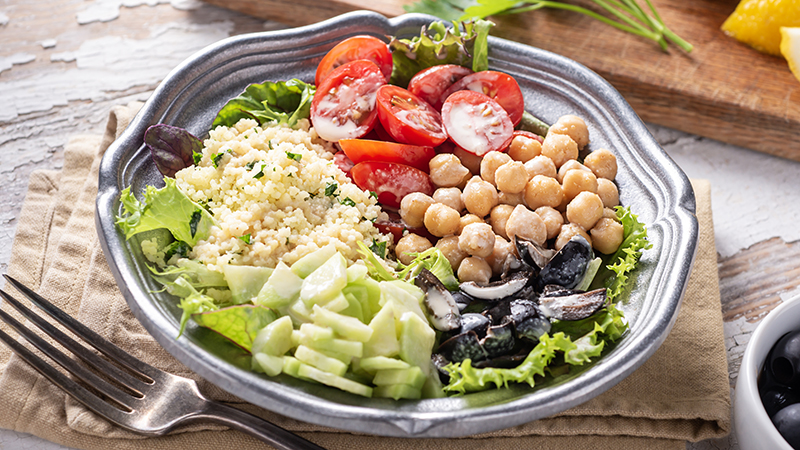
- Salads with beans, quinoa, fruits and vegetables
- Wraps or bowls with lean protein
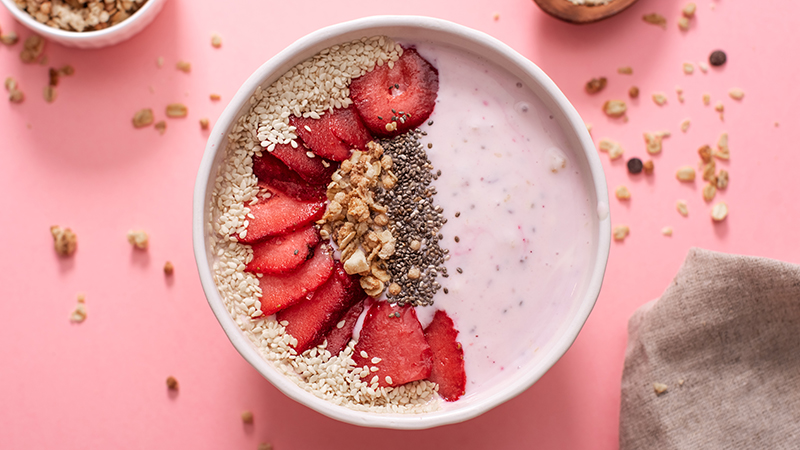
- Cut fruit, nuts and yogurt
These meals can be adjusted based on your preferences, including plant-based options.
Try this recipe for a simple way to get started with meal prepping:
Turkey and Sweet Potato Breakfast Egg Muffins
Ingredients
- 8 eggs
- 1/2 cup low-fat milk
- 1 cup cooked lean ground turkey
- 1 cup diced cooked sweet potato
- 1 cup chopped spinach
- Black pepper and garlic powder to taste
- 1/2 cup shredded cheese (optional)
Instructions
- Preheat oven to 375 degrees Fahrenheit.
- Spray a muffin tin with cooking spray.
- Whisk eggs and milk together.
- Stir in turkey, sweet potato, spinach, cheese and seasoning.
- Pour mixture evenly into muffin cups.
- Bake for 20 to 25 minutes or until eggs are fully set.
- Refrigerate and reheat as needed for breakfast or snacks throughout the week.
How To Fit Meal Prepping Into Your Routine
Meal prep is easier to stick with when following these tips:
- Choose when you’ll meal prep: Pick a time when your schedule is less busy and you’re more likely to follow through.
- Keep simple, ready-to-eat options on hand: Stock prepped snacks so you always have something quick and healthy ready.
- Stay flexible and adjust as needed: Some weeks won’t go as planned, and that’s OK. Even prepping a few ingredients can help.
If you need support getting started, a registered dietitian can help you build meal prepping into your routine and make healthy eating easier — even during busy weeks.
 Chrome
 Edge
Edge Safari
 Firefox