


Antioxidant-Rich Foods: Why They Matter and What To Eat
Updated October 2026
Blueberries, beans, sweet potatoes and even dark chocolate in moderation all have something in common: They’re packed with antioxidants and they’re good for you.
Antioxidants are naturally occurring compounds found in many plant foods and are associated with a variety of health benefits, including a lower risk of cardiovascular disease and other chronic health conditions.
If we are what we eat, then our health is what we choose to eat.— Clyde W. Yancy, MD, MSc
“One of the keys to healthy aging is maintaining an active lifestyle. A good diet can also do so much to promote health, especially when it includes a variety of antioxidant-rich foods,” says Northwestern Medicine Cardiologist Clyde W. Yancy, MD, MSc, who is also chief of Cardiology in the Department of Medicine at Northwestern University Feinberg School of Medicine.
What Are Antioxidants?
Antioxidants are compounds that help protect cells from damage caused by unstable molecules called free radicals. Over time, free radicals can damage healthy cells and contribute to aging and disease. Antioxidants help neutralize these unstable molecules before they cause harm.
Antioxidants come from several sources. Many are found in food, some are available in supplements and your body naturally produces others.
How Do Antioxidants Help Prevent Disease?
Damage caused by free radicals has been linked to aging and certain health conditions, including heart disease and macular degeneration.
Antioxidants may help reduce inflammation, which plays a role in many chronic diseases.
For example, antioxidants help protect blood vessels from damage caused by free radicals. By keeping blood vessels healthy, they may support circulation and overall heart health.While antioxidants alone can’t prevent disease, eating a variety of antioxidant-rich foods may support long-term health as part of an overall healthy diet.
What Types of Antioxidants Are Found in Food?
Not all antioxidants work the same way. They are found in a variety of foods and may offer a range of health benefits.
Some common antioxidants include:
- Vitamin C
- Found in many fruits and vegetables
- Helps protect blood vessels and cells
- Vitamin E
- Found in nuts, seeds and vegetable oils
- Supports cell health
- Polyphenols
- Flavonoids
- Found in apples, berries and other plant foods
- Support blood vessel health and help reduce inflammation
- Carotenoids
- Found in many colorful fruits and vegetables, including sweet potatoes, carrots, spinach and kale
- Includes beta carotene, which the body converts into vitamin A
Although these antioxidants work in different ways, they share an important role: protecting cells from damage caused by free radicals.
What Are the Best Food Sources of Antioxidants?
“If we are what we eat, then our health is what we choose to eat,” says Dr. Yancy. “If you want to age well, eat beans.”
Beans, berries, leafy greens and other plant-based foods are among the most abundant sources of antioxidants. Many are also rich in vitamins, minerals and fiber.
Some of the best sources of antioxidants include:
- Apples: High levels of flavonoids, especially in the peel and in Fuji and Red Delicious varieties
- Blueberries: Among the fruits with the highest antioxidant content
- Blackberries: Rich in flavonoids and vitamins C and K
- Cranberries: Contain beneficial plant compounds and antioxidants
- Kidney beans: Packed with fiber, iron and folate
- Pecans: One of the most antioxidant-rich nuts
- Dark chocolate: Contains flavonoids, magnesium and iron
- Plums: Contain antioxidant and anti-inflammatory compounds
- Spinach and other green leafy vegetables: Rich in antioxidants that support eye health
A simple rule of thumb: The more color on your plate, the more likely you are to consume a variety of antioxidants and other beneficial plant compounds.
Easy Ways To Add More Antioxidants From Food
You can increase the variety of antioxidant-rich foods in your diet with these simple strategies:
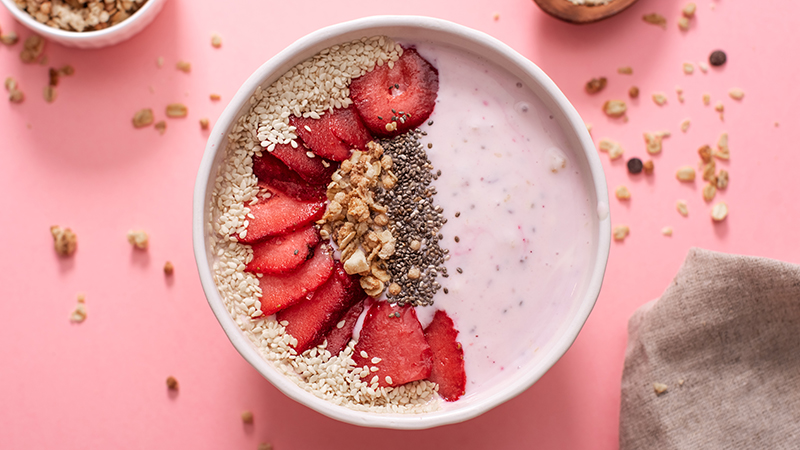
- Add berries to your breakfast.
- Include green leafy vegetables in meals.
- Eat beans or lentils several times per week.
- Snack on nuts instead of processed foods.
- Build meals around plant-based or plant-slanted ingredients.
- Add sweet potatoes often as a side dish in meals.
- Include a mix of colorful fruits and vegetables throughout the week.
How you prepare food matters, too. While some nutrients are easier to absorb after light cooking, overcooking can reduce certain vitamins. For example, steaming vegetables may preserve more nutrients than frying them. Eating a mix of raw and cooked foods can help provide a range of nutrients.
How Can You Tell if You’re Getting Enough Antioxidants?
Unlike many vitamins and minerals, antioxidants don’t have a recommended daily intake.
Instead of counting antioxidants, focus on getting your antioxidants through eating a variety of plant foods throughout the week. If your meals regularly include fruits, vegetables, beans, nuts, seeds and whole grains, you’re likely getting a range of antioxidants and other beneficial nutrients.
Is It Safe To Take Antioxidant Supplements
Most people can get the antioxidants they need from food.
While antioxidant supplements may seem like a simple way to improve health, studies have not consistently shown the same benefits seen with antioxidant-rich foods.
Whole foods provide a blend of nutrients that work together to support health. For that reason, it’s generally recommended to get antioxidants from foods that naturally contain them rather than from supplements.
In some cases, high doses of antioxidant supplements may be harmful. Potential risks include:
- Interactions with medications, including anticoagulants (blood thinners) and antiplatelet medications
- Side effects, such as nausea or upset stomach
- Getting too much of certain nutrients
Some antioxidant supplements have also been linked to specific risks:
- Beta carotene: Previous research found that high-dose beta carotene supplements may increase the risk of lung cancer in people who smoke and may be associated with adverse cardiovascular outcomes.
- Vitamin E: Previous research found that high doses may increase the risk of bleeding by affecting the blood’s ability to form clots and can interact with anticoagulant and antiplatelet medications.
- Vitamin C: Large amounts may cause diarrhea and stomach cramps, particularly above the recommended upper intake level of 2,000 milligrams per day for adults.
This doesn’t mean you should avoid getting these antioxidants from food, but it does mean that more is not always better with supplements.
Talk with your doctor before taking any supplement, especially if you have a medical condition or take prescription medications.
Common Misconceptions About Antioxidants
With so much information online about antioxidants, it can be difficult to separate fact from fiction.
Myth: One superfood can prevent heart disease.
Fact: No single food can prevent heart disease. Long-term eating patterns and the right mix of nutrients matter more than any one ingredient.
Myth: Antioxidants only come from fruits and vegetables.
Fact: While fruits and vegetables are excellent sources, antioxidants are also found in beans, nuts, seeds, whole grains and other plant foods.
Myth: More antioxidants are always better.
Fact: More isn’t always better, especially with supplements. Getting antioxidants from food is generally safer and more beneficial than taking large doses in supplement form.
Myth: Only high-cost foods contain antioxidants.
Fact: Many affordable foods, including beans, apples and oats, are rich in antioxidants.
Featured Experts

 Chrome
 Edge
Edge Safari
 Firefox