


What Is a Gallbladder Attack?
Gallstones and Gallbladder Problems: Symptoms and Treatment
Published May 2026
Most people expect digestive discomfort from time to time — it’s easy to blame stress, a heavy meal or age. But when symptoms keep returning, an often-overlooked organ may be the culprit: the gallbladder.
This small, pear-shaped organ plays a quiet but essential role in digestion, and many people don’t think about it until something goes wrong. Gallstones are surprisingly common, affecting an estimated 10% to 15% of the population in the United States (nearly 25 million people).
Your body signals when something isn’t right.— Megan Melland-Smith, MD
Gallstones don’t always cause symptoms, but gallbladder problems can lead to serious complications if left untreated.
“Understanding your gallbladder health isn’t just about avoiding discomfort — it’s about catching subtle warning signs before they become serious,” says Megan Melland-Smith, MD, a gastrointestinal surgeon at Northwestern Medicine. “Early symptoms like abdominal pain after eating, nausea or changes in digestion can be easy to dismiss. Recognizing them and seeking care can help prevent complications and protect your overall digestive health.”
What Does the Gallbladder Do?
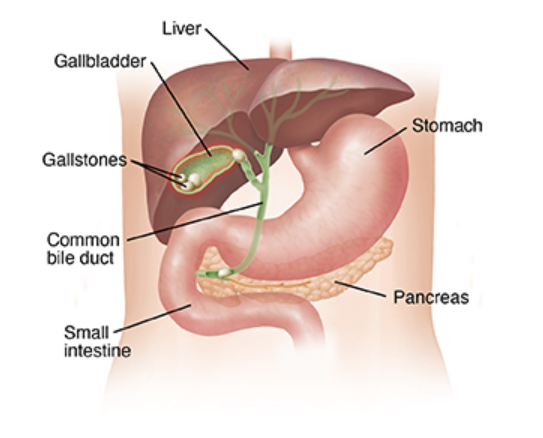
The gallbladder sits just beneath the liver and stores digestive fluid called bile. After you eat, especially meals that contain fat, the gallbladder releases this stored bile into the small intestine, where it helps break down fats so your body can absorb nutrients.
Bile travels from the gallbladder through the cystic duct and into the common bile duct, which connects to the small intestine. When the flow of bile is blocked, symptoms can occur.
What Are Gallstones?
Gallstones are hardened deposits that form when substances in the bile crystallize. Understanding the types of gallstones helps guide treatment.
The 2 Main Types of Gallstones
- Cholesterol stones: The most common type, formed when bile contains too much cholesterol
- Pigment stones: Darker stones linked to excess bilirubin, often associated with red blood cell conditions
Both types can vary in size and number, and many can cause no symptoms for years.
When Gallstones Cause Symptoms
Many people with gallstones have no symptoms. Problems arise when a stone blocks the gallbladder duct, preventing bile from flowing normally. This can lead to sudden, severe pain known as biliary colic, often called a gallbladder attack.
Common symptoms include:
- Abdominal pain, typically in the upper right abdomen (belly)
- Pain in the back between the shoulder blades or in your right shoulder
- Nausea or vomiting
- Symptoms after fatty meals that last several hours
“Symptoms of gallstones can be easy to overlook, but certain patterns shouldn’t be ignored,” says Dr. Melland-Smith. “Steady pain in the upper right abdomen after heavy meals that lasts minutes to hours may signal a problem. This pain can radiate to the back or right shoulder and may be accompanied by nausea, vomiting or bloating.”
It’s also important to note when symptoms become more frequent or severe. Occasional indigestion is common, but repeated or persistent right upper abdominal pain is not, she adds. Fever, chills, yellowing of the skin or eyes (jaundice), or dark urine may point to a complication and require prompt medical attention.
Risk Factors for Gallstones
Gallstones can affect anyone, but risk may be higher with:
- People over 40
- Pregnancy or hormonal changes
- Family history
- Obesity or diabetes
- Rapid weight loss
- Prolonged fasting
Even people with healthy habits may develop gallstones due to genetics or metabolism.
How Diet and Lifestyle Affect Gallbladder Health
Extreme dieting, skipping meals or avoiding all dietary fat can interfere with bile flow. Balanced meals that include healthy fats help the gallbladder empty regularly, which may reduce risk.
Staying hydrated, eating regularly and maintaining a stable weight also can support healthy bile movement.
Diagnosing Gallbladder Problems
Doctors often diagnose gallstones using imaging tests like an ultrasound. If a gallstone is suspected to be blocking a bile duct, additional procedures may be used. These include endoscopic retrograde cholangiopancreatography (ERCP), which can both diagnose and treat certain blockages.
Treatment Options for Gallstones
Treatment depends on symptoms and complications. Options include:
- Monitoring stones that do not cause symptoms
- Medications in select cases
- Procedures to remove stones from bile ducts
- Surgical removal of the gallbladder
Gallbladder removal — called a cholecystectomy — is one of the most common surgeries performed and typically minimally invasive.
“Gallbladder surgery is a safe and routine procedure that provides lasting relief,” says Dr. Melland-Smith. “It’s usually done using small incisions, which supports quicker recovery. Most people return to normal activities within one to two weeks. While the gallbladder stores bile, the liver continues to produce it, so the body can function well without it.”
Can You Remove Gallstones and Leave the Gallbladder?
In most cases, gallstones cannot be removed while leaving the gallbladder in place because they often result from ongoing issues with bile production or storage.
If the gallbladder remains, stones are likely to return.
In some cases, doctors can remove stones from the bile ducts using ERCP, but this does not prevent new gallstones from forming in the gallbladder.
Life After Gallbladder Removal
After surgery, bile flows directly from the liver into the small intestine instead of being stored. Most people adjust well, though mild digestive changes may occur at first. Over time, most people return to normal eating patterns without long‑term issues.
Gallbladder Myths: Cleanses and Supplements
“Cleanses and supplements that claim to ‘flush’ or ‘detox’ the gallbladder are not supported by medical evidence,” says Dr. Melland-Smith. “No cleanse has been shown to dissolve gallstones. In some cases, these approaches may trigger symptoms or delay appropriate care.”
A few points to keep in mind:
- Gallbladder cleanses do not dissolve gallstones.
- Supplements are not proven to be effective treatments.
- Diet alone is not always the cause of gallstones.
Medical guidance is the safest way to manage gallbladder disease.
When To See a Doctor
Persistent abdominal pain, especially after meals, should not be ignored. Seek immediate care if pain is severe, includes fever or spreads to the back. These symptoms may signal a blocked bile duct or pancreatitis.
Supporting Your Digestive Health
Gallbladder disease is common and often treatable, especially with early care.
“Your body signals when something isn’t right,” says Dr. Melland-Smith. “Persistent or recurring upper right abdomen pain, particularly after eating, shouldn’t be brushed off as indigestion. These symptoms can be an early sign of gallbladder problems, including gallstones. Early evaluation can help identify the cause, prevent complications and expand treatment options. It’s always better to get answers sooner rather than later.”
Featured Experts


 Chrome
 Edge
Edge Safari
 Firefox