


A Mom’s Experience With Metastatic Melanoma
How Early Detection and Follow-Up Care Were Critical for This Skin Cancer Survivor
Published July 2026
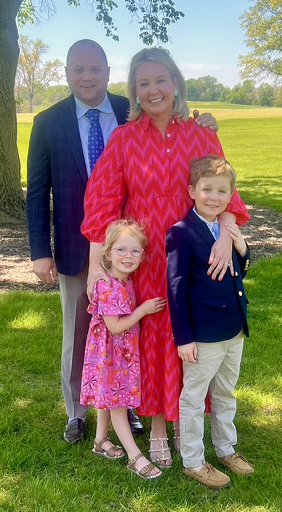
She didn’t like the way it looked.
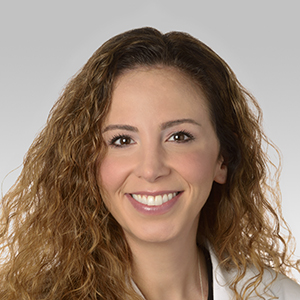
That’s why Ashley Daly, a mom of two from the Chicago suburbs, first made an appointment with Lauren Taglia, MD, PhD, a dermatologist at Northwestern Medicine, to talk about removing a mole on her right calf.
To know that I was cancer-free just meant the world.— Ashley Daly
Days later, Ashley got a call from Dr. Taglia. The mole was malignant.
Ashley was diagnosed with melanoma, the most serious type of skin cancer. If not detected early and treated, it can spread to other parts of the body, including nearby lymph nodes and through blood vessels. The type of treatment depends on how deeply it grows into the layer of the skin and whether it has spread.
The good news is that the cancerous mole was caught early. It was surgically removed in 2020 and Ashley was considered cancer-free.
But her story didn’t end there.
Finding a Lump
In 2023, Ashley was watching television when she noticed a lump in her lower right thigh. This time, she waited months to contact a doctor. The first doctor she saw at another institution dismissed her concerns, saying the lump was nothing to worry about.
In April 2024 at her annual exam, Ashley showed the lump to her primary care physician who ordered an MRI and later a biopsy with Dr. Taglia. The results confirmed melanoma.
Melanoma is an especially dangerous type of skin cancer because it has a high tendency to spread or metastasize. For Ashley, the cancer was considered metastatic, having spread to another area on her right leg.
Turning to Northwestern Medicine for Advanced Care
Treatment for melanoma depends on the size, stage and location of the cancer. Treatment options may include:
- Surgery to remove the cancerous mole and bordering tissue
- Radiation therapy to destroy cancer cells and shrink tumors
- Chemotherapy, administered orally or through a vein to kill cancer cells
- Targeted therapy, an oral treatment that blocks specific proteins that help cancer cells grow
- Immunotherapy, which uses the body’s immune system to attack cancer cells
- Lymph node removal to help prevent cancer cells from spreading through the lymphatic system
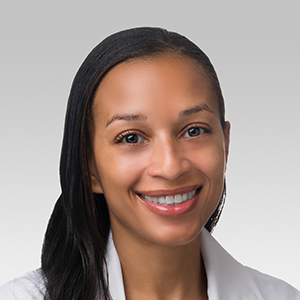
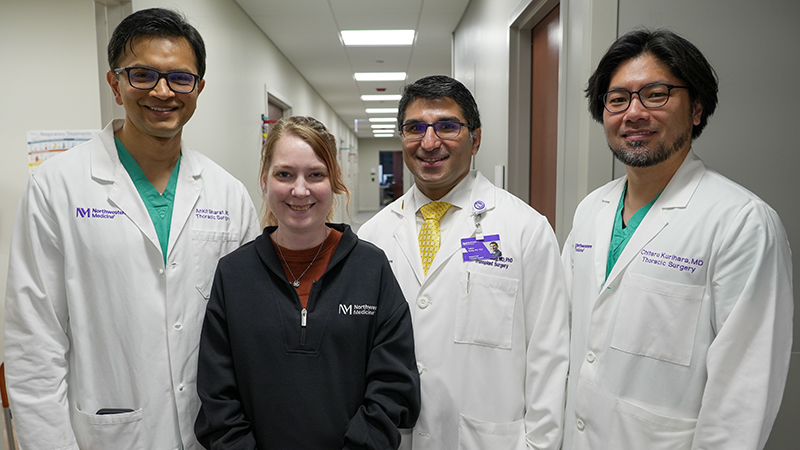
Ashley met with Ashley N. Hardy, MD, a surgical oncologist at Northwestern Medicine. Dr. Hardy first recommended treatment to shrink the tumor, which had grown to the size of a ping-pong ball.
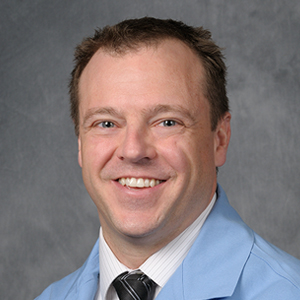
John D. Ayers, MD, a medical oncologist at Northwestern Medicine, prescribed three cycles of immunotherapy. These medications help the body’s immune system recognize and attack melanoma cells.
The treatment worked so well that Dr. Hardy had to put a marker on Ashley’s thigh to make sure she could find the tumor to remove it during surgery. In October 2024, Dr. Hardy surgically removed the tumor, surrounding tissue and lymph nodes. Tests showed no remaining cancer.
Immunotherapy Proves To Be a Game Changer
Ashley continued immunotherapy every four weeks for the next year. Research shows that patients with melanoma who complete about 12 months of treatment often have better long-term outcomes.
“In the past 10 years, immunotherapy and targeted therapy have dramatically improved life expectancy for patients with advanced melanoma,” says Dr. Taglia.
Ashley finished immunotherapy in July 2025. Now she receives regular scans to monitor for anything suspicious and knows to act right away if something doesn’t look or feel right.
Know the Signs of Melanoma
Early diagnosis is critical and one of the most important factors for successful treatment. The five-year survival rate is about 99% if caught in its earliest stage (localized).
Dr. Taglia says people with a history of melanoma need long-term follow-up, given the increased risk of further skin cancer development. A new lump or bump should always be checked right away.
Ashley is encouraging others, especially those with a history of melanoma, to look for suspicious moles and stay on top of regular skin checks.
Use the ABCDE rule to check moles:
- A = Asymmetry: One half doesn’t match the other.
- B = Border: The spot’s edges are uneven or irregular.
- C = Color: Color varies or looks uneven.
- D = Diameter: Although not all large moles are cancerous, most cancerous moles are larger than one-quarter inch.
- E = Evolving: Changes in size, shape, color or symptoms like itching or pain.
Both Ashley and Dr. Taglia also stress the importance of protecting skin from the sun. Around 80% of melanoma cases are linked to ultraviolet (UV) radiation exposure. Wearing sunscreen daily is one way to prevent damage to your skin and reduce your risk of melanoma. Sunscreen helps block UV rays from being absorbed by the skin, especially formulas that contain advanced filters like bemotrizinol, which is highly effective at stabilizing protection and reflecting both UVA and UVB rays.
Broad-spectrum sunscreen protects against UVA and UVB rays, the two types of harmful rays from the sun that can damage the skin. The American Academy of Dermatology Association recommends using a broad-spectrum sunscreen of SPF 30 or higher. It’s important to apply sunscreen if you plan to be outdoors. Reapply every two hours, or after swimming or sweating.
“We don’t apply enough, we don’t get it on enough and then we certainly don’t reapply enough,” says Dr. Taglia. “And so sunscreen alone, although it’s very important, it’s not our only strategy. The best kind of strategy for sun protection is layering different methods.”
In addition to wearing sunscreen, other ways to help prevent melanoma include:
- Avoid or limit time in the sun, especially during the peak hours in the middle of the day.
- Seek shade when possible.
- Wear protective clothing, like wide-brimmed hats that cover your ears and UV-blocking clothing.
- Protect your lips by applying lip balm or lipstick with SPF 30 or higher.
- Avoid tanning beds. A single indoor tanning bed session before the age of 35 can increase your risk of developing melanoma by 20%.
It’s also important to see your dermatologist and get checked frequently.
“If you don’t have your health, everything else seems so inconsequential,” says Ashley. “So to know that I was cancer-free just meant the world.”
Featured Experts

 Chrome
 Edge
Edge Safari
 Firefox