

Treating Stage 4 Lung Cancer With a Transplant
How the DREAM Program Aims to Provide Hope
Published February 2024
Lung cancers are the leading cause of cancer-related deaths in the United States. Lung cancer is considered stage 4 when it has spread to other areas of the lungs, to the fluid around the heart or lungs, or to other parts of the body. Stage 4 lung cancer is hard to treat because it does not respond well to typical cancer treatments like chemotherapy. It cannot be cured and is considered a life-limiting illness.
To offer better care to patients with stage 4 lung cancer, Northwestern Medicine is pioneering new approaches. Surgeons at Northwestern Medicine have successfully performed double-lung transplants for two patients with stage 4 lung cancer who were considered for hospice.
Building on this clinical success, Northwestern Medicine has launched a first-of-its-kind clinical program — the Northwestern Medicine Double Lung Replacement and Multidisciplinary Care (DREAM) Program.
An Innovative Treatment Leaves 2 Patients Cancer-Free
Albert Khoury from Chicago, Illinois, was diagnosed with lung cancer in early 2020. When chemotherapy treatments failed, he needed to stay in the intensive care unit on a ventilator. Although Albert was being considered for hospice care, Northwestern Medicine surgeons determined that he was a candidate for a double-lung transplant because his tumor was only in his lungs; it had not spread to other parts of his body.
In September 2021, at age 54, Albert became the first patient with stage 4 lung cancer to receive a lung transplant at Northwestern Medicine. By removing his lungs, Albert’s care team also removed the cancer threatening his life. Thanks to this lifesaving procedure, Albert is cancer-free.
“My life went from zero to 100 because of Northwestern Medicine,” says Albert. “You didn’t see this smile on my face for over a year, but now I can’t stop smiling. My medical team never gave up on me.”
While Albert received his transplant, Tannaz Ameli of Minneapolis, Minnesota, could not shake a lingering cough. A large health system in Minnesota confirm that she had stage 4 cancer in January 2022. When chemotherapy treatments didn’t help and hospice was recommended, Tannaz’s husband reached out to Canning Thoracic Institute’s Second Opinion Program. Because her cancer was only in her lungs and hadn’t spread, Tannaz was listed for a transplant. Within 10 days, she received new lungs.
“I begged my doctors in Minnesota to consider a lung transplant, but they wouldn’t do it,” recalls Tannaz. “When I came to Northwestern Medicine, the first thing Dr. Bharat told me was, ‘I think we can make you cancer-free,’ and he delivered on those words.”
Neither Tannaz nor Albert needed more cancer treatment after their transplants.
Leading in Transplant Care
Northwestern Medicine surgeons were the first in the U.S. to perform double-lung transplants on patients with COVID-19. The survival rate at one year after transplant for those patients was above 90%, exceeding national metrics. Northwestern Medicine surgeons used lessons learned from these pioneering COVID-lung transplants to develop a new technique to clear cancer during surgery while minimizing the risk of the cancer spreading.
“These patients can have billions of cancer cells in the lungs,” explains Ankit Bharat, MD, chief of Thoracic Surgery and director of Northwestern Medicine Canning Thoracic Institute. “This innovative technique involves putting the patient on full heart and lung bypass, delicately taking both cancer-ridden lungs out at the same time along with the lymph nodes, washing the airways and the chest cavity to clear the cancer, and then putting new lungs in.”
Offering Hope Through the DREAM Program
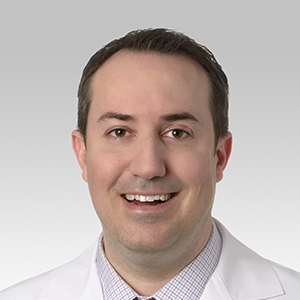
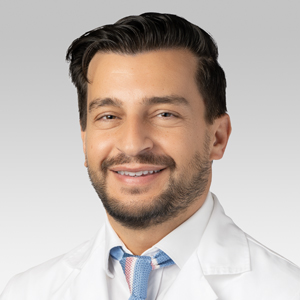
The DREAM program will offer double-lung transplants to certain patients with stage 4 lung cancers. Using a team-based approach, the program aims to offer comprehensive care. “This unique multidisciplinary program will include highly experienced specialists across disciplines, such as thoracic surgery, pulmonary and oncology,” says Rade Tomic, MD, medical director of the Northwestern Medicine Transplant Program at Canning Thoracic Institute.
Scientists and care teams will track the outcomes for the DREAM Program’s first 75 patients who choose to participate in the study. The data from these patients will be compiled in a research registry. Patients can receive a double-lung transplant through the DREAM program without enrolling in the registry.
“The goal of following these registry participants is to maintain close follow-up care and demonstrate good outcomes while learning new insights about lung cancer,” says Young Chae, MD, a medical oncologist at Northwestern Medicine.
This article was originally published in the Northwestern Medicine Newsroom Press Releases on March 15, 2023.
Featured Experts




 Chrome
 Edge
Edge Safari
 Firefox