


Dementia, Alzheimer’s Disease and Aging: How They Compare
Understanding Memory Loss, Brain Changes and When To Seek Care
Published August 2026
For many people, occasional forgetfulness is a normal part of aging. Misplacing keys or forgetting someone's name and remembering it later are common experiences. But when memory loss starts to interfere with daily life on a regular basis, it may be something more.
Terms like dementia and Alzheimer’s disease are often used interchangeably, but they are not the same thing. Understanding the differences between normal aging, dementia and Alzheimer’s disease can help you recognize important changes and know when to seek care.
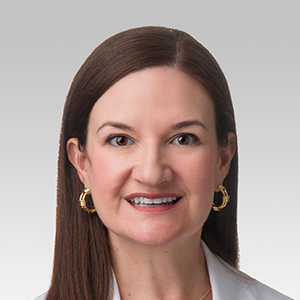
Alzheimer’s disease is the most common type of dementia.— Jennifer M. Woodward, MD
What Is Normal Aging for the Brain?
As you get older, some subtle changes in thinking and memory are expected.
Normal aging may include:
- Occasionally forgetting names or appointments
- Taking longer to process information
- Mild memory problems that improve later
These changes do not affect independence or the ability to carry out daily tasks. Conditions like Alzheimer’s disease and dementia involve more serious changes that go beyond what is expected with age and interfere with daily activities and independence.
What Is Dementia?
Dementia is not a single disease. It’s a broad term used to describe a group of symptoms that affect the brain. These symptoms can include changes in:
- Memory
- Thinking
- Behavior
- Ability to complete everyday tasks
Is It Alzheimer’s Disease or Dementia?
“The most common question I get in memory clinic from patients and their families is ‘What is the difference between dementia and Alzheimer’s?’” says Jennifer M. Woodward, MD, a geriatrician at Northwestern Medicine.
A helpful way to understand the relationship between Alzheimer’s disease and dementia is this: “Dementia is an umbrella term for conditions affecting memory, thinking and daily functioning, and Alzheimer’s disease is the most common type of dementia under that umbrella,” says Dr. Woodward.
There are four major types of dementia under the umbrella. Each has a different cause and pattern of symptoms:
- Alzheimer’s disease: The most common type of dementia, accounting for 50% to 75% of cases
- Vascular dementia: The second most common type, accounting for 20% to 30% of cases
- Dementia with Lewy bodies (DLB): Accounts for 10% to 25% of cases
- Frontotemporal dementia: Accounts for 10% to 15% of cases
“All forms of dementia involve damage to brain cells, which interferes with how the brain communicates and functions. While symptoms may overlap, understanding the different types can help guide diagnosis, treatment and care,” says Dr. Woodward.
Alzheimer’s disease
Alzheimer’s disease is linked to abnormal proteins (amyloid and tau) that build up in the brain and damage cells.
It often begins with memory loss but can progress to affect reasoning, language and daily functioning over time. Younger-onset (also called early-onset) Alzheimer’s disease can begin in people as early as their 40s or 50s.
“In Alzheimer’s disease, changes in the part of the brain that controls memory and thinking happen over many years. These changes disrupt communication between brain cells, leading to symptoms that gradually get worse over time,” says Dr. Woodward.
Vascular dementia
Vascular dementia is caused by reduced blood flow to the brain, usually from tiny areas of bleeding or blockage of blood vessels in the brain (often following a stroke).
Symptoms can include problems with thinking, planning and judgment, and they may appear suddenly or worsen over time, usually in a stepwise pattern. This means your thinking and physical abilities can drop suddenly, stay consistent for a while and then drop suddenly again.
Dementia with Lewy bodies
Also called Lewy body dementia, this type is linked to abnormal deposits of a protein in the brain called “Lewy bodies.”
It can affect thinking, movement and alertness. People may experience visual hallucinations, sleep disturbances and fluctuations in attention. They may also have symptoms similar to Parkinson’s disease, such as muscle rigidity, tremor and balance problems.
Frontotemporal dementia
This type affects the front and sides (lobes) of the brain, which are responsible for behavior, personality and language.
Symptoms often appear earlier in life (mid 40s to 50s) and may include drastic changes in behavior, social awareness or communication.
Mixed dementia
Mixed dementia occurs when a person has more than one type of dementia at the same time, most commonly Alzheimer’s disease and vascular dementia. Symptoms can vary depending on the combination of conditions affecting the brain.
What Are the Symptoms of Dementia vs. Alzheimer’s Disease?
The symptoms of dementia can vary depending on the type, but there are some common patterns.
General symptoms of dementia:
- Persistent memory loss
- Difficulty thinking or making decisions
- Trouble with language or communication
- Changes in mood or personality
- Difficulty with daily tasks
Symptoms more specific to Alzheimer’s disease:
- Gradual decline in memory
- Repeating questions often
- Trouble recognizing familiar people or getting lost in familiar places
- Increasing confusion over time
While symptoms may start mild, they typically become more noticeable and severe as the condition progresses.
How Do These Conditions Affect Daily Life?
One key difference between normal aging and dementia is how symptoms change over time.
- In normal aging, memory problems are occasional and do not worsen significantly.
- In dementia, symptoms tend to become worse over time.
For people with dementia, daily activities will become more difficult. In the early stages of the disease, they may need more support with things like:
- Managing finances
- Driving
- Cooking
- Taking medications
- Household chores and grocery shopping
Over time, as dementia progresses, they may need help dressing, bathing and eventually using the toilet.
Risk Factors for Dementia and Alzheimer’s Disease
There is no single cause of dementia or Alzheimer’s disease, but there are several known risk factors.
Some of the most common include:
- Age (the biggest risk factor)
- Family history (increases risk but does not guarantee you will get dementia)
- Heart health issues, such as high blood pressure, poorly managed diabetes and high cholesterol
- Lifestyle factors like smoking, drinking alcohol and lack of exercise
“Brain health and heart health are closely connected,” says Dr. Woodward. “What is good for your heart is also good for your brain.”
Although you can’t change certain risk factors like family history, making healthy lifestyle choices may help reduce your risk.
How To Support Brain Health
While not all cases of dementia can be prevented, there are many ways to support brain health at any age.
- Keep a regular sleep schedule: Get consistent, quality sleep.
- Get regular physical activity: Exercising supports blood flow to the brain.
- Eat a balanced diet: Choosing more brain-boosting foods can benefit memory and thinking. “The MIND diet combines elements of the Mediterranean diet and the DASH diet, with an emphasis on foods that support brain health,” says Dr. Woodward. “It focuses on whole grains, beans, fish, nuts, vegetables and berries, while limiting foods high in saturated fat and added sugar.”
- Stay mentally engaged: Learn new skills or hobbies to keep your brain active. Try word searches, crossword puzzles and sudoku.
- Connect with others: Social interaction supports emotional and cognitive health.
- Manage chronic conditions: Conditions like high blood pressure can affect brain health over time.
- Maintain a healthy weight: Being obese in your 40s and 50s can increase your risk of dementia over time.
- Address hearing and vision loss.
- Seek treatment for depression.
When Should You See a Doctor?
It can be hard to tell the difference between normal aging and early signs of dementia. Talk with your doctor if you notice:
- Increasing memory loss
- Difficulty completing familiar tasks
- Changes in behavior or personality
- Confusion that affects daily life
Early evaluation can help identify the cause and provide access to support and treatment options. Your doctor may recommend you see a neurologist or geriatrician to perform tests to understand how your brain is functioning and identify potential dementia.
It’s natural to notice small changes in memory as you age. But when symptoms go beyond the normal part of aging, it’s important to pay attention.
Early understanding and care can make a meaningful difference for you and your family.
Featured Experts


 Chrome
 Edge
Edge Safari
 Firefox