


Hip Pain Holding You Back?
How To Know if You Need Hip Replacement Surgery
Published June 2026
Hip pain can gradually affect daily life over time. What starts as a minor ache can grow into pain that limits movement, disrupts sleep and makes simple tasks feel difficult.
When the pain becomes hard to manage, many people ask: Do I need hip replacement surgery?
Many patients can delay or avoid surgery with the right treatment.— William R. Sterba, MD
William R. Sterba, MD, a joint replacement and adult reconstruction surgeon at Northwestern Medicine, answers common questions to help you understand when it may be time to consider total hip arthroplasty, also called total hip replacement surgery.
He shares key signs, treatment options and what to expect — including recovery.
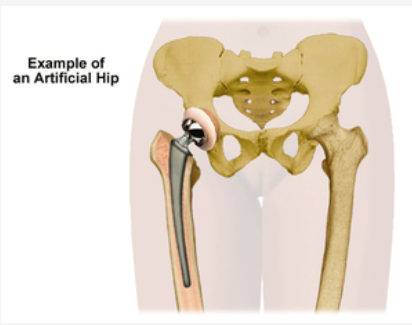
What Is Hip Arthroplasty?
Hip arthroplasty is a general term for surgery to repair or replace the hip joint. Types include:
- Total hip arthroplasty (THA): Replaces the entire joint
- Partial hip arthroplasty (hemiarthroplasty): Replaces part of the joint, most often the femoral head. This is common after a hip fracture.
- Hip resurfacing: Reshapes and caps the head of the bone instead of fully replacing the joint
What Are the Signs You Might Need Hip Surgery?
The most common sign is ongoing hip pain that does not improve. If pain lasts for months and affects your quality of life, it may be time to consider surgery.
Pain can also limit activities like exercise, including golf, and may disrupt sleep.
Struggling with routine activities is a strong signal. These may include:
- Walking or climbing stairs
- Getting out of a chair
- Relying on walking aids, such as a cane or walker
- Avoiding exercise or travel
Pain often starts in the joint but can spread to the groin, thigh or knee. This happens because of how the parts of the hip joint, including the femoral head and pelvic bone, work together.
“One of the first signs many patients notice is a loss of range of motion,” says Dr. Sterba. “Simple tasks, like putting on socks and shoes, become difficult. Patients may feel strong pain in the groin that seems like a muscle pull. They may not walk as far, and their friends and family may notice a limp.”
When Are Conservative Treatments Not Enough?
Most patients start with nonsurgical or conservative treatments, such as:
- Physical therapy
- Anti-inflammatory medications
- Activity changes
- Injections, especially early in the disease
If these treatments do not improve symptoms after a few months, it may be time to consider surgery. The key question: Can you function comfortably in daily life?
“A place like Northwestern Medicine Hip and Knee Preservation Center is a good place to start,” says Dr. Sterba. “The focus is on preventing degenerative joint disease. The goal is to protect your natural anatomy and lifestyle, to help you stay active and maintain a high quality of life. Many patients can delay or avoid surgery with the right treatment.”
What Conditions Lead to Hip Surgery?
A common cause is osteoarthritis, when cartilage wears away and bones rub together.
Other causes include:
- Hip fractures
- Labral tears
- Structural issues with hip and knee alignment
Over time, damage to the joint can lead to worsening pain and stiffness.
How Do Imaging Tests Help?
X-rays and magnetic resonance imaging (MRI) help doctors see joint damage, inflammation and structural changes.
“We are not just treating an X-ray,” says Dr. Sterba. “We combine imaging with symptoms and a physical exam to get a full picture. Then we work with patients to choose the treatment that fits their needs.”
What Happens if You Wait Too Long?
Delaying surgery can lead to:
- More joint damage
- Reduced mobility and range of motion
- Muscles around the hip weakening
Waiting may also make recovery more difficult if strength and flexibility decline.
Who May Not Be a Good Candidate?
Some health conditions can delay or prevent surgery, such as:
- Untreated infections
- Severe heart issues
Age alone is usually not a deciding factor. Many healthy people benefit from joint replacement.
What Is the Recovery Timeline?
Recovery happens in stages, and many people improve steadily:
- First few days: Stand and begin walking with support
- Two to six weeks: Regain basic independence; begin strengthening
- Six to 12 weeks: Return to most daily activities, including driving
- Three to six months: Continued gains in strength and endurance
- Up to one year: Continued improvements in muscle strength, mobility and confidence with movement
Following physical therapy is key to recovery and helps restore range of motion and reduce risks like blood clots.
What Should You Do if You’re Unsure?
Start with an orthopaedic specialist. They can evaluate your symptoms, review imaging and guide you through treatment options.
“Hip replacement surgery is not always the first step,” says Dr. Sterba. “But it is a highly effective option when other treatments no longer work, and pain affects your movement and quality of life.”
It’s also important to remember that every patient’s timeline is different.
Some people benefit from early intervention, while others can manage symptoms for years with conservative care. The right choice depends on how much pain you have now and how it impacts your ability to live the life you want.
The goals of treatment are simple: Ease pain, restore movement and help you return to daily life with comfort and confidence.
Learn more about your hip health with a hip pain assessment.
Featured Experts




 Chrome
 Edge
Edge Safari
 Firefox