


Is Eating Too Fast Unhealthy?
Why Slow and Steady Wins at the Plate
Updated December 2025
Have you ever finished a meal so fast you barely remember eating it? Many of us eat quickly because we’re busy or distracted. But is eating too fast unhealthy? The short answer is: Yes, it can be.
What Happens When You Eat Too Fast
Leisurely eating is better for your health.— Bethany M. Doerfler, MS, RDN
Fast eating can impact multiple aspects of your well-being, including:
- Mind-body disconnect. Your brain and stomach don’t communicate instantly. It typically takes about 20 minutes for hormones like leptin and peptide YY to send the signal that you’re full. When you eat too fast, you risk missing this natural warning signal, which can lead to overeating before you even realize you’re full.
-
Digestive tract problems.
- Swallowing air is a common side effect of eating quickly. This can cause bloating, gas and discomfort.
- Insufficient chewing from eating too fast forces your stomach to work harder to break down larger pieces of food. Over time, this increases your risk of indigestion, heartburn and acid reflux.
- Weight gain and metabolic risks. Fast eaters typically consume more calories because they miss fullness cues. This can lead to weight gain over time. Studies show that eating fast is associated with excess body weight.
Eating quickly is also connected to metabolic syndrome (a group of conditions that includes high blood pressure, excess belly fat, and high cholesterol and blood sugar levels) and type 2 diabetes. These conditions may develop due to mechanisms like insulin resistance and hormone disruption caused by eating too fast. - Lower nutrition absorption. Digestion begins in the mouth. Chewing mixes food with saliva and kicks off enzyme activity. Fast eating skips most of this crucial step, making it harder for your body to absorb key nutrients.
- Choking risk. Rapid, large bites of food increase your chances of choking. This is especially risky for children and older adults.
Mindful Eating: The Unseen Perk
Slow eating isn’t just better for digestion. It enhances satisfaction and pleasure. Mindful meals encourage you to savor flavors, textures and company, which can alter food preferences, even making processed foods less appealing.
“Leisurely eating is better for your health, especially when it comes to digestion, weight and nutrition,” says Bethany M. Doerfler, MS, RDN, a clinical research dietitian at Northwestern Medicine Digestive Health Institute.
How to Slow Down: Simple, Sustainable Strategies
Doerfler offers these practical tweaks you can weave into your daily life:
- Put your utensil down between bites. This forces natural pauses and slows your eating pace.
- Chew mindfully. Thorough chewing can help your body feel full by increasing hormones that signal fullness and lowering those that make you feel hungry.
- Avoid screens and distractions to tune into hunger and fullness cues.
- Use smaller utensils or use your nondominant hand. This slows eating by making it less automatic.
- Sip water between bites to slow your pace and aid digestion.
- Set a meal timer (20 to 30 minutes) to keep your meals relaxed and not rushed.
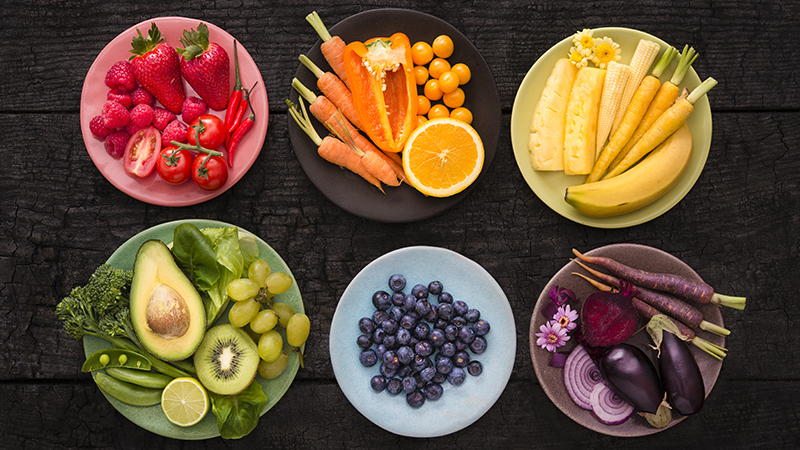
- Choose fiber-rich, minimally processed foods like almonds, oats, carrots and apples. These types of foods naturally require more chewing and are more satisfying.
Putting It All Together
Eating too quickly can affect more than just table manners — it can have genuine health implications. It can lead to digestive discomfort, nutrition deficiency, weight gain and the increased risk for chronic conditions like metabolic syndrome and diabetes.
“Meals are meant to be enjoyed,” says Doerfler. “When you rush through your food, you miss the flavors, textures and satisfaction that come from truly tasting your meal.”
 Chrome
 Edge
Edge Safari
 Firefox