


Why You Need To Eat Enough Fiber on a High-Protein Diet
Simple Ways To Boost Fiber Without Reducing Protein
Published January 2026
High-protein diets are popular for weight management and muscle building, but if you focus too much on protein, that can mean you’re skipping other important nutrients like fiber. If protein and fiber intake aren’t balanced, health issues can develop.
Fiber is essential for gut health, digestion and overall wellness. Here’s why adding fiber matters when following a high-protein diet.
The Science Behind Eating Enough Fiber and Protein
People who eat high-fiber diets have a more diverse, rich microbiome.— Olufemi Kassim, MD
Eating enough protein is important for maintaining a healthy body weight and muscle mass, but eating too much protein without enough fiber can strain the digestive system. Fiber helps move food through the intestines. Without it, you may experience constipation, irregular bowel movements or discomfort.
Fiber also interacts with protein during digestion. It slows down the digestive process, which helps regulate blood sugar and helps you feel full longer. Plus, fiber feeds the good bacteria in your gut, supporting a healthy microbiome.
“People who eat high-fiber diets have a more diverse, rich microbiome, which is associated with a lower risk of gastrointestinal (GI) issues,” says Olufemi Kassim, MD, a gastroenterologist at Northwestern Medicine. “Prebiotic foods, such as bananas, garlic and onions, help the beneficial bacteria in your gut flourish.”
Fiber also helps:
- Regulate bowel movements
- Lower risk of diverticulosis (Small pouches called diverticula in the lining of your colon can get inflamed or infected leading to diverticulitis.)
- Decrease risk of colon cancer
How Much Fiber Do You Need?
You should aim for 25 to 35 grams of fiber per day. However, most adults in the United States eat less than half of the recommended amount of fiber daily, a discrepancy that could be made worse on a high-protein diet.
“People on high-protein diets should ensure they’re getting enough fiber because protein is filling on its own,” says Dr. Kassim. “It can help to get a baseline on how much fiber you are eating by tracking your total grams of fiber in a food diary.”
Online resources that track foods high in fiber are also available. One resource is the Dietary Guidelines for Americans, which lists the Food Sources of Dietary Fiber for many common foods.
“I typically review high-fiber foods with patients and have them start with any foods on the list they already enjoy. I recommend they eat them more often or in greater quantities,” says Dr. Kassim. “If a patient is starting with a very low intake of fiber, I encourage them to gradually eat a serving of fruits, vegetables and whole grains at every meal.”
How Much Protein Do You Need?
For most adults, protein should account for 10% to 35% of your calories. That’s about 50 to 60 total grams of protein per day.
If you’re on a high-protein diet, you might eat 80 or 90 grams of protein per day.
Health Risks of Eating Too Much Protein and Too Little Fiber
A diet high in protein but low in fiber can lead to:
- Constipation
- Bloating
- Inflammation
Over time, it can also increase the risk of other medical conditions like colon cancer or heart disease. That’s because fiber plays a major role in reducing disease risk and supporting long-term health.
“The main concern is that if someone only focuses on protein, they may not pay attention to their fiber intake. That can lead to bowel irregularity and more significant risks in the future,” says Dr. Kassim. “The type of protein you eat is important, too. Certain protein sources from red meat like smoked meats and highly processed deli meats may be linked to GI cancers. Poultry, fish and vegetarian sources are healthier options.”
Soluble and Insoluble Fiber
There are two main types of fiber:
- Soluble fiber dissolves in water, which forms a gel and helps your bowels move smoothly. This can help lower cholesterol and blood sugar levels.
- Insoluble fiber doesn’t dissolve. Instead, it increases the amount of “bulk” in your colon, which stimulates your bowels to move. “Both soluble and insoluble fiber have benefits, and it’s important to have both,” says Dr. Kassim.
Most fiber-rich plant foods contain a mix of both types, though the proportions vary. For example, fruits and vegetables like plums, apples and sweet potatoes have skin (insoluble fiber) and pulp (soluble fiber).
If you have a digestive condition like irritable bowel syndrome (IBS) or inflammatory bowel disease (IBD), you may need to adjust your fiber intake. Insoluble fiber can sometimes worsen symptoms, so soluble fiber sources like oats may be better. Talk with your doctor if you have IBS, IBD or another medical condition that impacts how well you tolerate fiber.
How To Prevent Bloating and Discomfort From Eating Too Much Fiber
Adding more fiber to your diet too quickly can cause bloating and discomfort. To prevent this, increase fiber slowly and drink plenty of water.
Certain foods are more likely to cause bloating. These foods are known as high-FODMAP foods, which is the acronym for fermentable oligosaccharides, disaccharides, monosaccharides and polyols. The low-FODMAP diet was created to help relieve IBS-related symptoms.
Common high-FODMAP foods include:
- Apples
- Asparagus
- Broccoli
- Mangoes
- Pears
“I encourage people prone to bloating to limit these foods,” says Dr. Kassim.
Many low-FODMAP foods, which do not contribute to bloating, are plant-based, making them nutrient-rich and easy to incorporate. These include:
- Chia seeds
- Lentils
- Chickpeas
- Quinoa
- Spinach
You can view more examples of high- and low-FODMAP foods on this list from the American College of Gastroenterology.
“Slowly making changes, paying attention to how you feel and monitoring your bowel movements are some of the most important things you can do when introducing more fiber into your diet,” says Dr. Kassim.
Should You Take a Fiber Supplement?
If you can’t get enough fiber through food, fiber supplements can help. Talk to your doctor before taking any new supplement, including a fiber supplement.
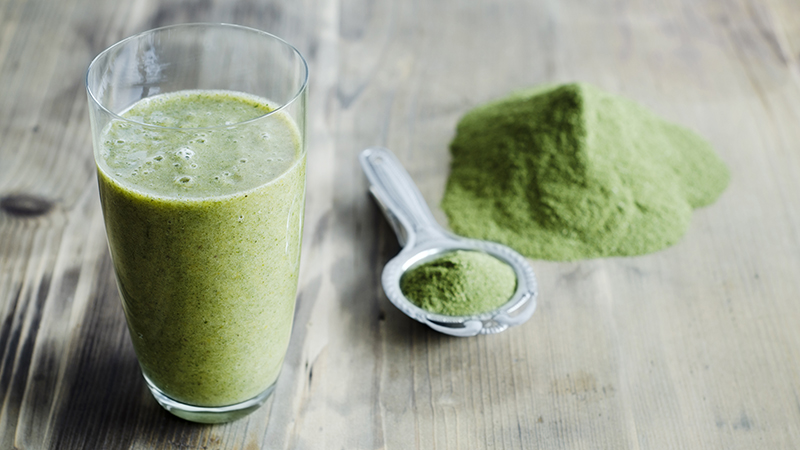
Dr. Kassim notes that while getting fiber from food sources is ideal because fruits and vegetables have other micronutrients and health benefits, she often recommends fiber supplements for people who have tried but can’t get enough fiber in their diet. Several types of soluble and insoluble fiber supplements are available in a variety of forms, including powders, capsules, wafers and gummies.
Some people find soluble fiber easier to tolerate in supplement form, Dr. Kassim says. Because soluble fiber supplements tend to not be fermentable, they don't form gas when digested.
Special Considerations for Athletes and People on a Keto Diet
Athletes and those on a keto diet (a diet that limits carbohydrates, which leads your body to burn fat for fuel) should also plan carefully to maintain gut health while meeting protein goals.
“Awareness is the most important first step,” says Dr. Kassim. “Many individuals are mindful of macronutrient intake in terms of carbohydrates, fat and protein, but don’t take fiber intake into consideration. They may be concerned that increasing fiber may affect their ability to reach their protein goals.”
Dr. Kassim adds that patients who follow special diets should consult with a registered dietitian. A registered dietitian can help you create an eating plan to help you meet your protein goals and ensure you’re getting enough fiber.
Make Eating More Fiber Easy
Balancing protein and fiber intake is important for overall health. Protein alone doesn’t support gut health or prevent constipation. Fiber does much more than help regulate bowel movements, including supporting stable blood sugar levels and weight management.
Adding more fiber can be easy. Start small by adding one fiber-rich food to each meal. Choose foods from the low-FODMAP foods list to get started, and you’ll build habits that boost long-term health.
Featured Experts

 Chrome
 Edge
Edge Safari
 Firefox