


Artificial Sweeteners or Sugar?
Published October 2025
With all the talk about artificial sweeteners versus real sugar, it’s hard to know how to satisfy your sweet tooth and eat a healthy diet.
Bethany M. Doerfler, MS, RDN, is a clinical research dietitian at Northwestern Medicine Digestive Health Institute. She helps patients make sense of their food choices, including sweeteners, and shares her advice here.
Getting Real About Artificial Sweeteners
“Artificial sweeteners are not health food,” says Doerfler. “While they help us control our sugar intake, they don’t deliver any nutritional value. They were developed to sweeten foods without the added calories of sugar.”
Sometimes chemically made, sometimes naturally derived, sugar-free sweeteners can be 200 to 700 times sweeter than table sugar. This helps the substitutes serve up the same “mouthfeel” as sugar, says Doerfler.
Artificial sweeteners are not health food.— Bethany M. Doerfler, MS, RDN
There are several artificial sweeteners approved by the U.S. Food & Drug Administration (FDA) that are used in foods and drinks. Here are some of the more common ones along with brand names you may see in the aisles of the grocery store:
Chemical-based:
• Sucralose (example: Splenda®)
• Aspartame (examples: NutraSweet®, Equal®)
• Saccharin (example: Sweet’N Low®)
• Acesulfame potassium (example: Sunett®)
Plant-based:
• Stevia (examples: Truvia®, PureVia®)
• Allulose, also known as D-psicose
• Monk fruit, also known as luo han guo or Buddha fruit
Beyond artificial sweeteners, sugar alcohols can also be manufactured to lower the calories in foods (compared to real sugar). They add sweetness and texture. Some common sugar alcohols you might see on food labels include mannitol, sorbitol and xylitol.
Part of a Balanced Diet
Many folks choose sugar substitutes to lower the amount of added sugar in their diet, cut total calories and help maintain a healthy body weight. This, in turn, may reduce the risk of developing Type 2 diabetes, metabolic syndrome and heart disease.
That’s why the American Heart Association (AHA) and American Diabetes Association say it’s OK to use sugar-free substitutes — when it’s done right.
But what is the acceptable daily intake of artificial sweeteners?
“Based on what we know, most are safe when they’re used in small doses,” says Doerfler. “I always remind people that the total amount you consume matters quite a bit. And even if it’s a plant-based sweetener, it doesn’t mean that it’s risk-free.”
The Anatomy of Ultra-processed Foods
When building your diet, it’s best to stay away from ultra-processed foods typically made from industrial ingredients that are rarely used in home cooking. They are often high in artificial sweeteners or added sugars, fats, salt, and preservatives, but low in fiber, protein, vitamins and minerals.
Think about it this way: If you’re eating things with a lot of artificial sweeteners in them, those are probably refined, processed foods. “You need to consider your total diet balance in the course of the day,” adds Doerfler. “How much whole food you’re eating versus how much engineered food you’re eating.”
One other thing to consider is how eating large amounts of artificial sweetener may retrain your brain and change your taste buds. Because these sweeteners pack a much sweeter punch than table sugar, you may start to crave artificially flavored foods and skip the healthier choices, like fruits and vegetables.
When it comes to healthier choices, is adding honey or more natural sweeteners better for your diet?
“Gram for gram, honey will deliver the same amount of added sugar as table sugar,” says Doerfler. “It doesn’t help with your calorie intake. But the good thing is when you add the sweetener yourself, you are more aware of how much is on your food. It gives you more control.”
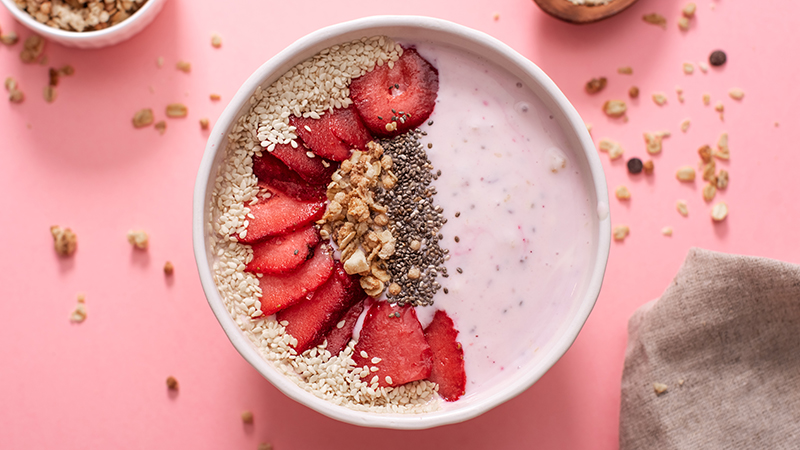
When you regularly eat foods with added sugars, like yogurt, baked goods or oatmeal, you may become desensitized to the amount of sugar in your food, which can cause you to crave more sugar.
So Then, What’s the Scoop on Sugar?
The AHA recommends that you limit added sugars to no more than 6% of your total calorie intake per day. For most people, that’s about 100 to 150 calories or between 6 and 9 teaspoons of sugar.
“This is not the sugar that’s naturally occurring in fruits,” explains Doerfler. “It’s the sugar that we add to granola bars, tomato sauces, coffee drinks and things like that. Five to 6 teaspoons equals about 20 to 25 grams of added sugar.”
Fuels the Body
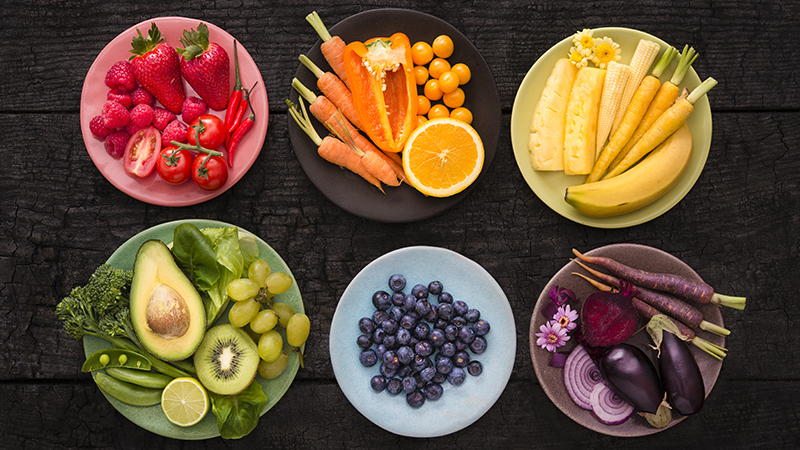
You want to look for the natural sugars in your diet. These tend to be packed with vitamins and minerals and are highly nutritious. Natural, plant-based carbohydrates are essential fuel for the body and come from:
- Fruits
- Whole grains
- Starchy vegetables (potatoes, beans, peas and corn, to name a few)
Eating foods rich in natural sugars, like fruit or peas, can help prevent blood sugar spikes since these foods are also rich in fiber. “If you are living with diabetes, do choose plant-based carbs as part of a carbohydrate- and fiber-balanced meal,” says Doerfler.
Eat It in Moderation
Added or processed sugar can come with unwanted calories. It may increase the risk of weight gain and lead to a host of medical issues when you go beyond what is considered a moderate or reasonable amount.
“I tell my patients to be balanced about their total intake of sugar,” says Doerfler. “Evaluate what you are eating and drinking, and look for natural ways to balance sugar. Can you use less added sugars in drinks? Can you use fresh fruit over jam on peanut butter toast? These small changes add up for your benefit.”
Being mindful about both artificial sweetener and sugar consumption is also better for your gut and digestive health. If you’re eating too much sugar and highly processed foods, it can negatively impact healthy gut bacteria. This may cause inflammation in the body, which can make other conditions, like heart disease, worse.
“Our anti-inflammatory strains of gut bacteria really like to eat fiber from fruits and veggies,” says Doerfler. “When we don’t have enough of those naturally occurring fibers in our diets, we are underfeeding our good gut bacteria. We need to eat more whole or minimally processed foods to make our gut bugs happy.”
Finding the Sweet Spot
To sum up the substitute sweetener versus sugar debate, more research needs to be done on the long-term effects and safety concerns of artificial sweeteners. But for now, sugar substitutes may have a place in the diets of people managing blood sugars. They can also help reduce obesity and tooth decay in kids and adults.
Consuming moderate amounts of natural sugars should be your goal when trying to satisfy your sweet tooth. “I always tell my patients, ‘If you start with foods containing no added sugar, you can always add your own honey or table sugar,’” says Doerfler. “You will often end up adding less than what the food manufacturer adds. Try to be in control of the amount that’s in your diet.”
A few additional thoughts from Doerfler:
- Don’t be afraid of fruit. People in the United States don’t eat enough fruit, only getting around 1% of the sugar in their diets from fruit.
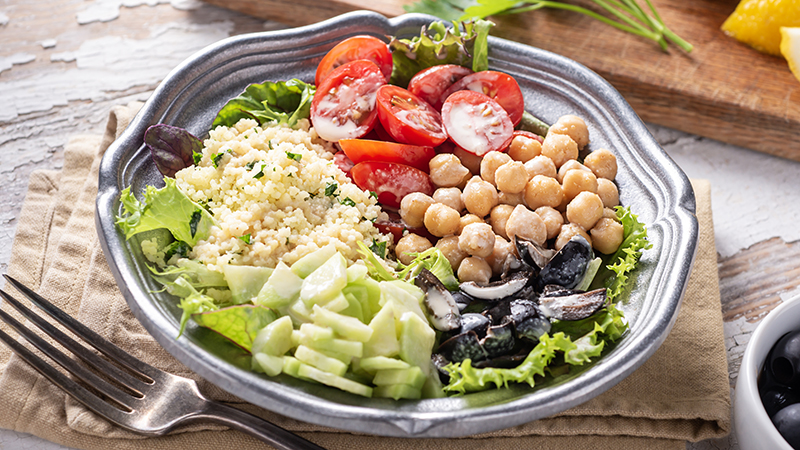
- Be open to the right packaged foods. Not all of them are bad. Things like canned beans and jarred tomato sauces without any added sugars are healthy foods that aren’t overly processed.
- Beware of long ingredient lists. Food labels filled with unfamiliar or highly processed ingredients often signal engineered foods — it’s best to avoid them.
- Keep it in balance. Whether it’s regular sugar or artificial sweeteners, be sure to balance the amount you consume within your total diet.
Learn more about nutrition labeling and health claims.
Featured Experts

 Chrome
 Edge
Edge Safari
 Firefox