


Are GLP-1 Medications Linked to Dizziness and Fainting?
Study Finds a Higher Risk of Low Blood Pressure Symptoms in Certain Patients
Published July 2026
GLP-1 medications have become some of the most widely prescribed medications in the country. They were first created to help manage blood sugar in people with Type 2 diabetes. Today, these glucagon-like peptide-1 (GLP-1) receptor agonists are also used for weight management and heart health. For many patients, they have been life-changing.
But a recent study from Northwestern Medicine suggests that one group of patients may need closer monitoring after starting a GLP-1 medication: those who take multiple blood pressure medications.
What the Research Found
I want patients to be aware of the symptoms of low blood pressure.— Micah J. Eimer, MD
Scientists at Northwestern Medicine looked at health records from more than 42,000 adults who were already taking at least two types of blood pressure medications and then started a GLP-1. They tracked rates of events related to low blood pressure (known as hypotensive events) over six, 12 and 24 months after patients began GLP-1 therapy.
The findings, presented at ENDO 2026, the Endocrine Society’s annual meeting, showed an increase in hypotensive episodes after patients started GLP-1s. Hypotensive events in the study included dizziness, fainting, falls, low blood pressure diagnoses, very low systolic blood pressure readings and prescriptions for medications used to treat low blood pressure.
Key findings from the 2026 study include:
- Within six months of starting GLP-1 therapy, the rate of hypotensive events rose from 8.7% to 10.2%.
- The elevated risk continued at 12 months, with hypotensive events rising from 13.6% to 14.3%.
- Adults age 65 and older made up 37% of the study group but accounted for 53% of hypotensive events.
- People with Type 2 diabetes represented 63% of the study group but accounted for 75% of hypotensive episodes.
- Secondary analyses showed that weight loss alone did not explain the increased risk. This suggests that GLP-1s may have direct effects on the cardiovascular (heart and blood vessels) system that are not yet fully understood.
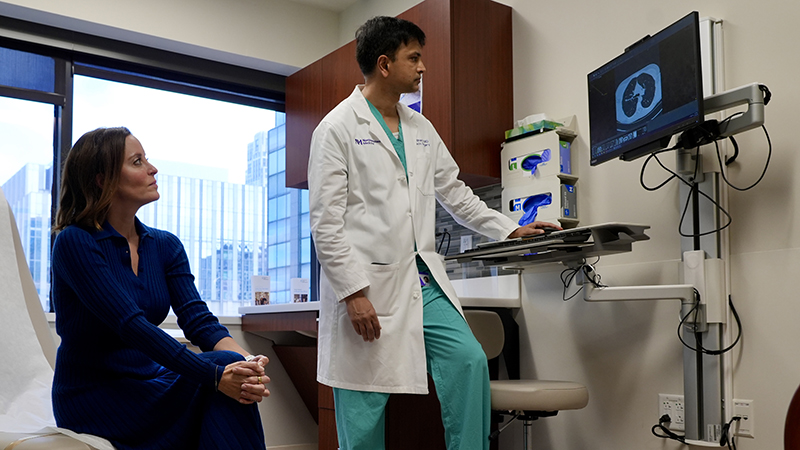
The study’s senior author, Micah J. Eimer, MD, a cardiologist at Northwestern Medicine and a clinical assistant professor of Medicine at Northwestern University Feinberg School of Medicine, says he launched the research after noticing a pattern in his own patients.
“I prescribe GLP-1s because they are shown to reduce the risk of dying from heart disease by up to 20%, depending on the population. And I noticed a series of patients on GLP-1s complaining of lightheadedness, dizziness and fainting,” says Dr. Eimer. “They had low blood pressure during my examination. Hypotension is a serious potential side effect of treating hypertension and can be far more dangerous. I started thinking there was a pattern there that needed to be looked at.”
Why These Episodes Can Be Dangerous
Low blood pressure might sound less alarming than high blood pressure, but hypotensive episodes carry real risks, especially if they happen suddenly. For older adults in particular, a fainting episode or sudden dizziness can lead to falls and serious injuries. The good news, Dr. Eimer says, is that this is a preventable problem when it’s on a clinician’s radar.
Who Is Most at Risk
The study found that older adults and people with Type 2 diabetes were disproportionately affected. “Older patients are more susceptible to changes in blood pressure,” says Dr. Eimer. “They have stiffer arteries, more blockages in their arteries and may get much more symptomatic from a change in blood pressure.”
Additionally, patients with diabetes may have autonomic dysfunction, a known complication of diabetes, which affects the body’s ability to regulate blood pressure. There are also still some unknowns about GLP-1s and how they work in the body.
In a sense, the research suggests GLP-1s may be working almost too well in some patients, lowering blood pressure more than expected. When combined with existing blood pressure medications, blood pressure levels can drop too low.
Symptoms To Watch For
If you are taking a GLP-1 medication, pay attention to these signs of low blood pressure, especially in the weeks and months after starting or increasing your dose:
- Dizziness or lightheadedness, especially when standing up quickly
- Feeling faint or fainting
- Unusual fatigue
- Blurred vision
- Nausea
- A rapid or weak pulse
Contact your doctor if you notice any of these symptoms. Call 911 or seek emergency care right away if you faint, lose consciousness or experience symptoms while driving or operating equipment.
The Risk of Getting GLP-1s Without Medical Supervision
One of Dr. Eimer’s biggest concerns is for people who are getting GLP-1 medications through online prescribers or other channels without ongoing monitoring from a treating physician.
“If I’m a patient and I go to an online prescriber to get a GLP-1, they are not checking my blood pressure,” says Dr. Eimer. “I want patients to be aware of the symptoms of low blood pressure and to have regular check-ins with a provider to ensure they are healthy.”
If you are taking a GLP-1 without regular check-ins with a physician, this study is an important reminder to establish that care.
What To Talk to Your Doctor About
If you are currently taking GLP-1 medication or considering starting one, here are some things to discuss with your care team:
- Whether you take two or more blood pressure medications and if your doses may need to be adjusted after starting a GLP-1
- How to monitor your blood pressure at home and what readings should prompt a call to your doctor
- Symptoms to watch for, including dizziness, lightheadedness or fainting
- Whether staying well hydrated and avoiding skipping meals can help reduce the risk of low blood pressure episodes
- How often your blood pressure should be checked after beginning GLP-1 therapy
A Balanced Perspective
GLP-1 medications remain highly beneficial for many people. They can meaningfully reduce the risk of heart disease, help manage blood sugar levels, support weight management and potentially allow some patients to reduce or eliminate other medications.
But medical supervision matters. For patients already taking blood pressure medications, especially older adults and those with Type 2 diabetes, close monitoring after starting a GLP-1 can help prevent blood pressure from dropping too low.
If you're considering a GLP-1 medication or have concerns about side effects, talk with your physician. Together, you can weigh the potential benefits and risks and develop a monitoring plan tailored to your individual health needs.
Featured Experts


 Chrome
 Edge
Edge Safari
 Firefox