


Are Turmeric and Curcumin Supplements Safe for Your Liver?
Know the Risks and Side Effects
Published November 2025
Dietary supplements are booming in the health and wellness industry. There’s also something else on the rise: the potential adverse effects of taking higher doses of certain supplements like turmeric.
Research suggests that some turmeric supplements — especially ones made to be more easily absorbed — may contribute to clinically significant, herb-related liver injury in the United States. Turmeric-induced liver injury is rare, but the known incidents have raised some concerns.
What Is Turmeric and Curcumin?
Genetics can affect how a liver metabolizes supplements.— Bethany M. Doerfler, MS, RDN
Turmeric is a spice in the ginger family. It comes from the underground stems, or rhizomes, of the Curcuma longa plant. Curcumin is the main active compound in turmeric. It has antioxidant and anti-inflammatory properties — or the power to naturally reduce pain and swelling in the body.
Studies have shown that turmeric may help:
- Reduce arthritis and joint pain
- Support heart health
- Aid digestion
- Improve memory and mood
- Strengthen the immune system
A Loosely Regulated Supplement Market
The U.S. Food and Drug Administration (FDA) does not regulate supplements as strictly as it does drugs or food. Therefore, the labels on supplements, including turmeric and curcumin supplements, may not always match what’s inside. Some products may contain more or fewer ingredients than advertised, including other medicines or harmful ingredients like lead.
According to Bethany M. Doerfler, MS, RDN, a clinical research dietitian at Northwestern Medicine Digestive Health Institute, curcumin in turmeric is generally safe for adults in amounts up to 8 grams a day (about 3 teaspoons). However clinically, doses ranging from 500 to 2,000 milligrams are most often used. But, like any herbal supplement, it should be used with care. Let your healthcare team know about any supplements you take to help avoid possible side effects or interactions with other medications you are taking.
Potential Side Effects and Dosing
As the use of dietary supplements grows, so does awareness around the possible side effects. Doerfler says many of her patients take turmeric and she helps them understand the risks.
“There have been reports of liver toxicity with turmeric,” she says. “It seems like part of it is influenced by genetics. For example, what is safe for 10,000 people may be dangerous for one person because of their genetic profile. Genetics can affect how a liver metabolizes supplements. Some people may not be able to break turmeric down and clear it.”
High levels of turmeric have also been known to cause mild digestive side effects in some people. These include:
- Abdominal pain
- Diarrhea
- Headaches and nausea
- Skin rash
“When you take a therapeutic dose of something like turmeric, you may be taking a much higher dose than what you’d normally eat in food,” says Doerfler. “The dose that’s been studied in the cases of ulcerative colitis, a type of inflammatory bowel disease, is generally around 1,000 milligrams, which is higher than amounts we typically consume in foods such as curry.”
Interesting fact: A common ingredient in turmeric and curcumin supplements is black pepper extract, which contains piperine. Piperine increases your body's ability to absorb curcumin. This means you can get more benefits from smaller doses. Following the recommended dose is important to avoid dangerously high absorption levels and side effects, including liver damage.
Be Mindful of Other Medications
As with any supplement, check that it’s safe to take with your medications. Underlying health conditions can increase the risk of side effects. People with diabetes, gallbladder disease, undergoing chemotherapy or taking blood thinners may be more likely to experience liver problems. Always talk to your doctor before starting any new supplement.
Quality Seals on Supplements
Product certifications can help you identify which supplements have been tested for quality, safety and accuracy. Some certifications to look for on the packaging include:
- USP Verified (U.S. Pharmacopeia)
- NSF Certified
- Informed Choice Certified
Advice to Consider
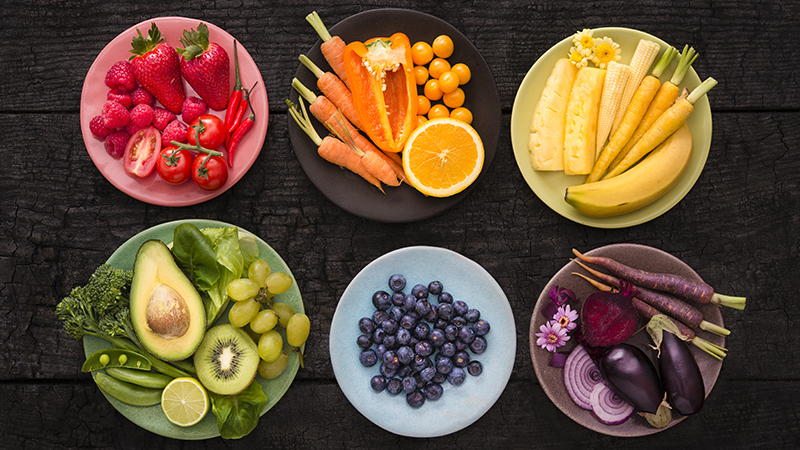
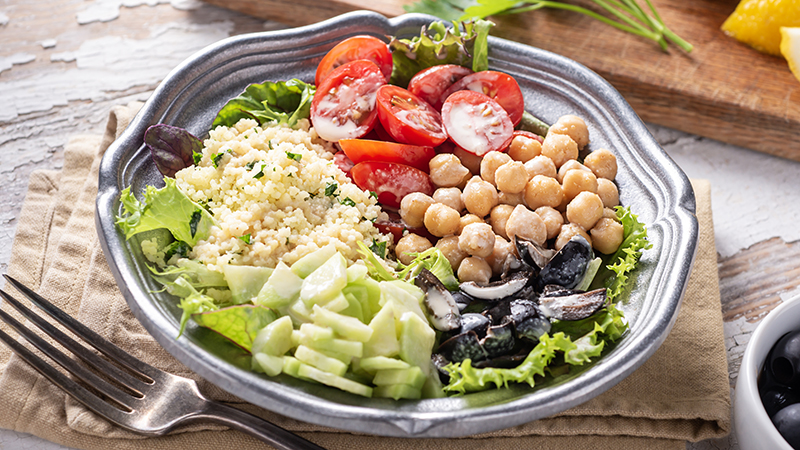
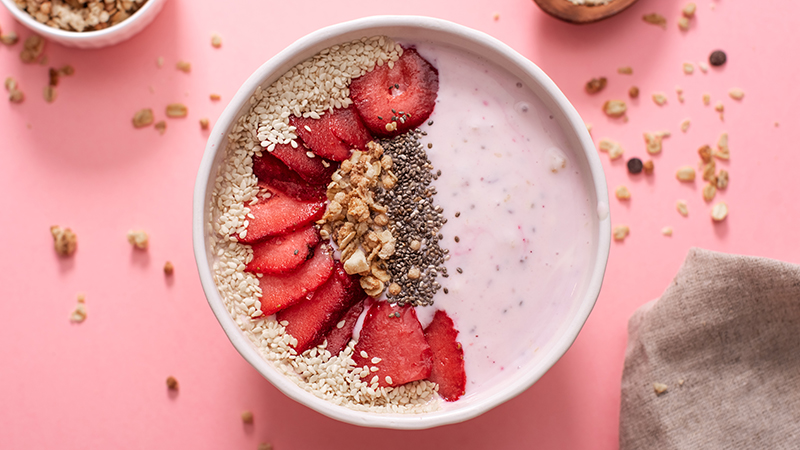
“Liver injury or damage from taking supplements is rare. But it does happen,” says Doerfler. “Be cautious about the amounts you’re taking. Try to get your daily vitamins, minerals and antioxidants from your diet.”
Here are some foods that pack a powerful nutritional punch.
Featured Experts

 Chrome
 Edge
Edge Safari
 Firefox