


Do You Need Both a Primary Care Physician and an OB-GYN?
Understanding the Different Roles Each Doctor Plays in Your Health
Updated June 2026
For many, annual visits to an OB-GYN are a routine part of staying healthy. But does that mean you can skip seeing a primary care physician (PCP)? Not quite.
While there’s overlap between the two specialties, they serve different but equally important roles in preventive care and long-term health.
OB-GYNs are not a replacement for comprehensive adult primary care.— Weronika A. Armstrong, MD
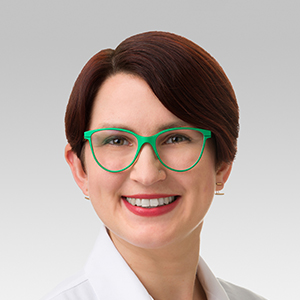
“OB-GYNs are experts in reproductive and gynecologic health, but they are not a replacement for comprehensive adult primary care,” says Weronika A. Armstrong, MD, an obstetrician-gynecologist at Northwestern Medicine. “Ideally, patients should have both providers working together as part of their care team.”
What Are the Main Differences Between a PCP and an OB-GYN?
PCPs focus on overall health and preventive medicine. They screen for and help manage conditions, such as:
- High blood pressure
- Diabetes
- High cholesterol
- Thyroid disorders
- Depression and anxiety
- Heart disease risk factors
OB-GYNs specialize in reproductive and gynecologic health, including:
- Cervical cancer screening
- Contraception counseling
- Menstrual concerns
- Pregnancy and fertility care
- Menopause management
- Pelvic pain and sexual health
There is some overlap between the two specialties. Many PCPs provide cervical cancer screenings, prescribe birth control and discuss other routine reproductive health concerns. But certain situations are better handled by an OB-GYN.
“For patients with complex contraception needs, abnormal or painful periods, pelvic pain, menopause concerns or vulvar disorders, an OB-GYN often has more specialized training and equipment,” says Dr. Armstrong.
Can an OB-GYN Replace a Primary Care Physician?
In short: No.
“OB-GYNs are not properly trained to screen for and manage disorders that affect adults, such as high blood pressure, diabetes, cholesterol abnormalities and thyroid disorders,” says Dr. Armstrong. “We can screen for and initiate treatment for depression but generally do not manage it long term.”
OB-GYNs are often a first stop for care, especially for younger women. However, their training and daily work is focused on reproductive and gynecologic health. PCPs, on the other hand, take care of the whole person. They treat many health problems, help manage long-term conditions and coordinate care with other doctors.
Research shows this difference. One national study found that preventive visits with OB-GYNs tend to focus on reproductive services, while general preventive screenings are less common. For example, cholesterol checks were done in 2.8% of OB-GYN visits, compared with 30.3% of visits with primary care doctors.
Relying on only one type of doctor can leave gaps in care. If you only see an OB-GYN, screenings for conditions like high cholesterol or thyroid disease may be missed. If you only see a PCP, more specialized gynecologic concerns, such as endometriosis or complex menopause symptoms, may not be fully addressed.
When Should You See an OB-GYN?
There are several situations where seeing an OB-GYN is especially important. You may benefit from specialized gynecologic care if you have:
- Heavy, irregular or painful periods
- Pelvic pain
- Sexual dysfunction
- Difficulty tolerating pelvic exams
- Abnormal cervical cancer screening results
- Menopause symptoms requiring treatment
- Questions about fertility or pregnancy planning
Patients considering pregnancy should also schedule preconception counseling with an OB-GYN.
“Preconception visits help identify health risks, optimize medications and allow for discussions about factors that may affect pregnancy before conception occurs,” says Dr. Armstrong.
Why Coordinated Care Matters
When patients rely only on specialists and don’t have a central physician overseeing their health, important screenings or chronic health concerns can sometimes fall through the cracks.
“Screenings can be missed, other health issues may not be identified and patients’ overarching goals of care are not always prioritized if specialty care is too siloed,” says Dr. Armstrong.
That’s why communication between physicians matters.
Within integrated health systems, PCPs and OB-GYNs often coordinate through shared electronic medical records, consultation notes and direct communication.
If coordinating multiple doctors feels overwhelming, start with a PCP. They can help manage your overall health and refer you to an OB-GYN when needed. If you already have an OB-GYN you trust, ask them to recommend a PCP within your network.
Does the Need for Each Doctor Change With Age?
Yes. The right care team often evolves throughout life.
Teens and young adults
Pediatricians and PCPs often manage menstrual concerns, HPV vaccination and contraception. More complex concerns may require a referral to an OB-GYN.
People planning pregnancy
An OB-GYN can provide preconception counseling, fertility guidance and pregnancy-related care.
Pregnancy
Most patients who are pregnant should receive care from an OB-GYN or a PCP with obstetric training.
Perimenopause and menopause
Both PCPs and OB-GYNs may help manage menopause symptoms, though some OB-GYNs have advanced expertise in menopause and sexual medicine.
How To Choose the Right Doctors
Dr. Armstrong encourages patients to look for physicians who communicate well and take concerns seriously.
“Gynecologic and reproductive care is nuanced and should be patient-centered,” she says. “Often female patients feel ignored, unheard and their complaints are dismissed as ‘normal’ when they are not.”
She notes that conditions, such as endometriosis, are frequently underdiagnosed, with some patients waiting years for answers.
Her advice for building the right healthcare team? “Find doctors who listen to you, are thorough and take your problems seriously,” says Dr. Armstrong.
Featured Experts



 Chrome
 Edge
Edge Safari
 Firefox