


Health Benefits of Chia Seeds and Flaxseeds: Which Should You Choose?
How the Super Seeds Support Heart Health, Digestion and More
Published September 2026
Tiny but packed with nutrition, chia seeds and flaxseeds have become staples in smoothies, oatmeal, yogurt bowls and baked goods. While they share many nutritional benefits, each seed brings unique advantages to the table.
Both are rich in dietary fiber, protein and plant-based omega-3 fatty acids. These nutrients support heart health, digestion, healthy blood sugar levels and overall wellness.
Understanding the similarities and differences between chia seeds and flaxseeds can help you decide which one, or whether both, deserve a spot in your meals and snacks.
Chia seeds and flaxseeds are nutritional powerhouses.— Laura E. Wargo, RD
“Chia seeds and flaxseeds are nutritional powerhouses,” says Laura E. Wargo, RD, a dietitian at Northwestern Medicine. “Both types of seeds contain an abundance of vitamins and minerals, soluble and insoluble fiber, antioxidants and healthy fats, all in these tiny seeds.”
What Are Chia Seeds and Flaxseeds?
Chia seeds come from the Salvia hispanica plant and have a mild flavor that blends easily into foods. Flaxseeds come from the flax plant and have a slightly nuttier taste.
Despite their different origins, both are nutrient-dense foods. One key difference is that flaxseeds are typically consumed ground because your body absorbs their nutrients more easily that way.
Because ground flaxseed can go rancid quickly, it’s best to store it in an airtight container in the refrigerator. Whole flaxseeds and chia seeds keep well in a cool, dry pantry.
How Much Should You Eat?
There ’s no strict daily requirement for chia seeds or flaxseeds, but most experts suggest starting with about 1 tablespoon a day and working up to 2 tablespoons as your body adjusts. Because both seeds are high in fiber, easing into it, rather than adding a big scoop all at once, can help you avoid bloating or discomfort.
Supporting Heart Health
Both seeds contain alpha-linolenic acid (ALA), a plant-based omega-3 fatty acid that supports heart health and helps reduce inflammation. They also provide fiber, which can help maintain healthy cholesterol levels.
The soluble fiber in chia seeds and flaxseeds can help lower low-density lipoprotein (LDL) cholesterol, often called “bad” cholesterol. Healthy cholesterol levels support good blood flow and overall cardiovascular health.
Flaxseeds also contain compounds called lignans, which have antioxidant properties and contribute to heart health, among other additional benefits.
“The soluble fiber in these seeds helps form a gel-like substance that binds to cholesterol in the digestive tract and helps push it out of the body rather than allowing it to be absorbed into the bloodstream,” says Wargo.
Benefits for the Digestive System and Blood Sugar
One of the biggest nutritional advantages of chia seeds and flaxseeds is their fiber content.
Fiber supports regular bowel movements, gut health and digestion. Because most Americans fall short of daily fiber recommendations, adding chia seeds or flaxseeds to meals can help close that gap.
Chia seeds absorb liquid and form a gel-like texture. This slows digestion and helps create a feeling of fullness after eating.
Flaxseeds contain both soluble and insoluble fiber, which work together to support digestive regularity.
Their fiber content also slows digestion, helping prevent sharp spikes and drops in blood sugar levels after meals.
“When discussing fiber intake with patients, I always suggest keeping chia seeds on hand,” says Wargo. “Just 2 tablespoons of chia seeds added to a meal or snack can increase the fiber content by about 10 grams. That’s a significant boost and an easy way to help meet your daily fiber goals.”
Other Nutritional Benefits
Chia seeds and flaxseeds offer more than just fiber and healthy fats. They also provide plant-based protein, essential minerals and antioxidants that support overall health.
Both seeds contain minerals such as magnesium, phosphorus and manganese, which play important roles in bone health, muscle function and energy production.
Flaxseeds are one of the richest dietary sources of lignans, the antioxidant compounds noted earlier for their heart-health benefits.
Chia seeds provide a variety of nutrients as well, including calcium, which supports healthy bones and teeth.
Chia Seeds vs. Flaxseeds: What’s the Difference?
Because they share many nutritional benefits, choosing between chia seeds and flaxseeds often comes down to personal preference and how you plan to use them.
Chia seeds
- Higher fiber content per serving
- Absorb liquid and form a gel
- Mild flavor that works in many recipes
- Can be eaten whole
Flaxseeds
- Slightly higher in omega-3 fatty acids
- Nutty flavor
- Best consumed ground for optimal nutrient absorption
- Commonly used as an egg substitute
To make a flax egg, mix 1 tablespoon of ground flaxseed with 3 tablespoons of water. Let it sit for a few minutes until it thickens. This simple egg substitute is popular in vegan recipes and homemade baked goods.
Easy Ways To Add Them to Your Diet
One of the biggest advantages of chia seeds and flaxseeds is how easy they are to use.
Whether you’re making breakfast, baking a batch of muffins or blending a smoothie, these versatile seeds can fit into almost any meal or snack.
Breakfast
- Stir into overnight oats.
- Mix into pancake or waffle batter.
- Sprinkle on avocado toast.
- Add to yogurt parfaits with fruit and nuts.
- Make chia pudding with milk and berries.
Lunch
- Mix into tuna, chicken or chickpea salad.
- Sprinkle on soups before serving.
- Blend into homemade salad dressings.
- Add to grain bowls or quinoa salads.
Dinner
- Use as a topping for roasted vegetables.
- Mix ground flaxseed into meatballs or turkey burgers.
- Stir into casseroles for extra fiber.
- Add chia seeds to homemade sauces for a subtle thickening effect.
Snacks
- Blend into smoothies.
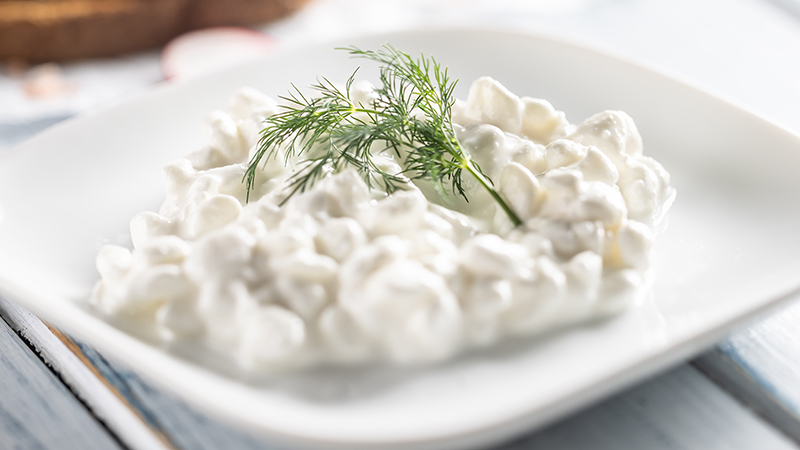
- Stir into cottage cheese.
- Add to homemade trail mix.
- Mix into energy bites or protein balls.
Baking
- Add to muffins, breads and cookies.
- Use ground flaxseed as an egg substitute in vegan recipes.
- Sprinkle on top of homemade bread before baking.
Are There Any Risks?
For most people, both chia seeds and flaxseeds are safe when enjoyed as part of a balanced diet.
Because they are high in fiber, eating too much too quickly may cause bloating or digestive discomfort. Starting with small amounts and drinking plenty of water can help minimize these effects.
Chia seeds also absorb liquid quickly and can expand significantly. To avoid discomfort, soak chia seeds in water, milk or another liquid for at least 10 to 15 minutes before eating them, rather than swallowing them dry.
People taking blood thinners or diabetes medications, or those with hormone-sensitive conditions, should talk with their doctor or dietitian before adding significant amounts of chia seeds or flaxseeds to their diet, since both can interact with certain medications or health conditions.
Which Seed Should You Choose?
When it comes to chia seeds and flaxseeds, there isn’t really a wrong choice.
Both provide a combination of fiber, protein, healthy fats, antioxidants and omega-3 fatty acids. Together, these nutrients support heart, digestive and overall health.
“The great thing about these seeds is that you can include both in your daily routine,” says Wargo. “Both offer their own benefits and can be consumed in different ways. It’s not an either-or choice. It’s about finding ways to enjoy both as part of a balanced diet.”
Recipes
If you’re not sure where to start, try one of these simple recipes featuring both seeds.
Chia-berry overnight oats
Combine:
- 1/2 cup rolled oats
- 1 tablespoon chia seeds
- 1 tablespoon ground flaxseed
- 1/2 cup milk of choice
- 1/2 cup mixed berries
- 1 teaspoon honey or maple syrup (optional)
Refrigerate overnight and enjoy in the morning.
Peanut butter energy bites
Mix:
- 1 cup old-fashioned oats
- 2 tablespoons chia seeds
- 2 tablespoons ground flaxseed
- 1/2 cup natural peanut butter
- 2 tablespoons honey
- 1/4 cup mini chocolate chips (optional)
Roll into bite-sized balls and refrigerate until firm.
Strawberry banana smoothie
Blend:
- 1 banana
- 1 cup frozen strawberries
- 1 tablespoon chia seeds
- 1 tablespoon ground flaxseed
- 1 cup milk or yogurt
- Ice (optional)
A simple way to add fiber and omega-3s to breakfast or a snack.
Featured Experts

 Chrome
 Edge
Edge Safari
 Firefox