


Mediterranean Diet: Why Is This Style of Eating So Healthy?
What To Eat, What To Limit and How To Get Started
Published October 2026
If you’ve ever looked into ways to eat healthier, chances are you’ve come across the Mediterranean diet. Inspired by the traditional eating patterns of people in countries bordering the Mediterranean Sea, including Italy, Greece and Spain, the Mediterranean diet emphasizes fruits and vegetables, whole grains, beans, fish and healthy fats.
Scientists have studied a Mediterranean-style diet for decades because of its potential health benefits, particularly for heart health and healthy aging.
“The Mediterranean diet is a well-rounded diet most people can safely follow for disease prevention or management,” says Alex Lynch, MS, RD, LDN, a dietitian at Northwestern Medicine.
What Is the Mediterranean Diet?
The Mediterranean diet is not a specific meal plan. Instead, it’s a flexible style of eating centered on nutrient-rich, plant-based foods, healthy fats and minimally processed ingredients while limiting ultra-processed foods.
Foods to eat most often
The foundation of the Mediterranean diet includes:
- Extra virgin olive oil
- Fruits and vegetables
- Whole grains
- Beans and legumes
- Nuts and seeds
- Fish and seafood
- Herbs and spices
The Mediterranean diet is a good framework for most individuals.— Alex Lynch, MS, RD, LDN
Many of these foods also provide fiber, vitamins, minerals and antioxidants.
Foods to eat in moderate amounts
- Eggs
- Poultry
- Some dairy products, such as yogurt and cheese
Foods to limit
- Red meat and processed meat like hot dogs and bacon
- Sugary beverages
- Foods high in added sugar
- Ultra-processed foods
“The goal is to adopt an eating pattern where sugar, alcohol and high intakes of saturated fats like those found in red meat are reduced,” says Lynch.
What Are the Biggest Health Benefits of the Mediterranean Diet?
Studies show that people who follow a Mediterranean diet may have a lower risk of several chronic conditions and better overall health, including:
- Improved cholesterol levels
- Better blood sugar management
- Reduced inflammation
- Healthy aging
- Lower risk of some chronic diseases
“The Mediterranean diet was first found to be beneficial for managing cardiovascular disease and recently has proven to be beneficial for Type 2 diabetes, metabolic syndrome, obesity, cancer and overall inflammation,” says Lynch.
This way of eating may also help people manage high cholesterol and high blood pressure, two major risk factors for heart disease. In fact, the American Heart Association recognizes the Mediterranean diet as a heart-healthy eating pattern.
Several factors may contribute to its health benefits, including:
- Extra virgin olive oil, which contains heart-healthy monounsaturated fats
- Fruits, vegetables and legumes, which provide fiber, vitamins and antioxidants
- Fish, which contains omega-3 fatty acids
- Limiting processed meat and red meat
Can You Lose Weight on the Mediterranean Diet?
You might be wondering how a diet that includes olive oil, nuts and other high-fat foods can support weight management. The answer comes down to food quality.
The Mediterranean diet emphasizes filling, nutrient-dense foods, which can help you feel satisfied longer than highly processed options.
While the diet is not specifically designed for weight loss, it may support a healthy body weight and make maintaining weight easier over time.
Healthy fats can be part of a balanced diet when eaten in moderation.
How To Get Started With the Mediterranean Diet
One of the biggest misconceptions about the Mediterranean diet is that it requires a complete kitchen overhaul. Getting started can be as simple as making a few everyday swaps.
Start with one small change at a time:
- Replace butter with extra virgin olive oil.
- Add a fruit or vegetable to every meal.
- Eat beans in place of meat.
- Choose fish more frequently and limit red meat.
- Swap refined grains for whole grains.
“To get started, focus on what to add rather than take out,” says Lynch. “Add a vegetable at lunch and dinner — whether it’s fresh, frozen or canned.”
Can You Follow the Mediterranean Diet on a Budget?
Many Mediterranean diet staples are affordable and easy to find.
Budget-friendly options include:
- Beans
- Lentils
- Brown rice
- Oats
- Frozen fruits and vegetables
- Canned tuna
Do Some People Need To Modify the Mediterranean Diet?
“If you’re looking for general healthy eating guidelines, the Mediterranean diet is a good framework for most individuals,” says Lynch. “However, some people need to make adjustments based on their health needs.”
You may benefit from a modified approach if you:
- Have diabetes or prediabetes: You will still need to monitor blood sugar levels.
- Have kidney disease: Certain foods, such as beans, nuts and some fruits, may need to be limited depending on your condition.
- Have food allergies or intolerances: You may need alternatives to foods, such as fish, nuts or dairy products.
- Have digestive conditions: Some high-fiber foods may need to be introduced gradually or adjusted based on your symptoms.
- Are an athlete or have higher calorie needs: You may need additional protein, carbohydrates or overall calories.
“People with prediabetes and diabetes will also still need to monitor carbohydrate intake when following Mediterranean diet guidelines since high intake of any carbohydrates can elevate blood sugar,” says Lynch. “Also, the Mediterranean diet doesn’t emphasize food portions, so monitoring your weight and blood sugar is still encouraged.”
Additional guidance may be helpful if you’re managing a chronic condition or have specific nutrition needs.
“Your doctor or registered dietitian can help ensure you are following the diet safely for your specific body type, medical conditions and goals,” says Lynch.
Mediterranean-Inspired Meals and Snacks
Looking for meal and snack inspiration? Start with these Mediterranean-style ideas.
Breakfast
- Oatmeal topped with berries and nuts
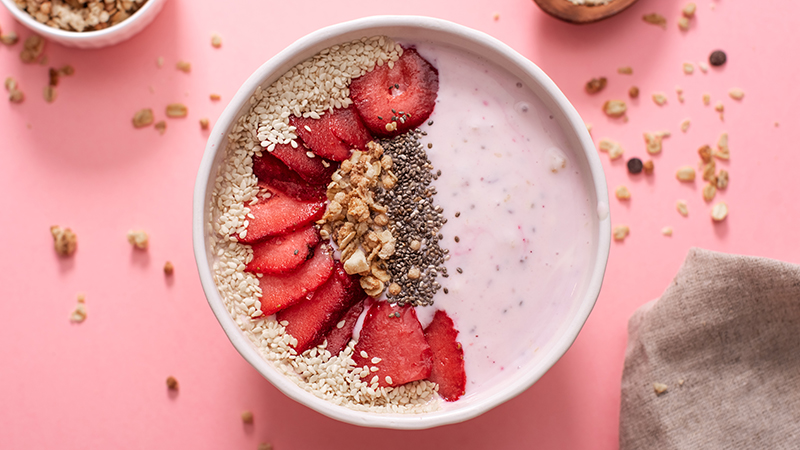
- Greek yogurt with fruit
Lunch
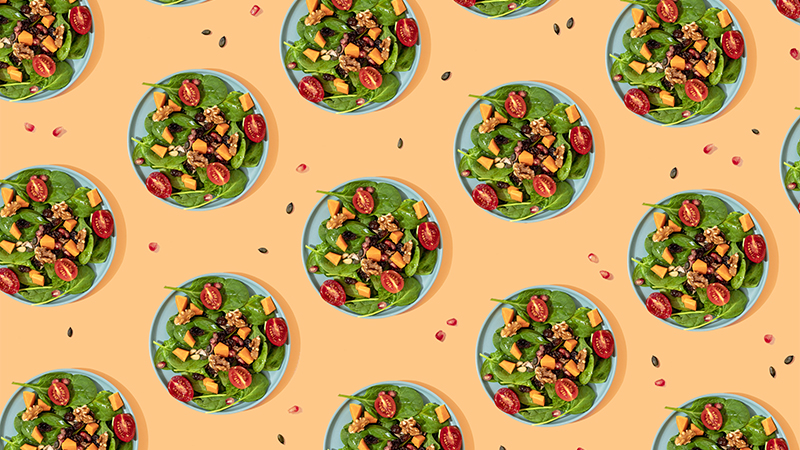
- Lentil soup and a Mediterranean side salad
- Grain bowl with beans and vegetables
Dinner
- Grilled salmon with roasted vegetables
- Mediterranean chicken with whole grains
Snacks
- Fresh fruit
- Hummus and vegetables
- Nuts and seeds
Mediterranean Diet Recipes
Overnight oats with a fall twist
Ingredients
- 1/2 cup rolled oats
- 1 tablespoon chia seeds
- 2/3 cup almond milk
- Chopped pecans
- Diced green apples
- Cinnamon or apple pie spice
Instructions
- Add ingredients to a mason jar and store in fridge overnight.
- Serve chilled in the morning.
Lentil soup
Ingredients
- 2 tablespoons extra-virgin olive oil
- 1 medium yellow onion, chopped
- 4 medium carrots, chopped (2 cups)
- 2 celery stalks, chopped
- 6 small or 3 large kale leaves, stems finely diced, leaves chopped (8 cups)
- 1/2 teaspoon ground cumin
- 1 1/2 teaspoons sea salt
- Freshly ground black pepper
- 4 garlic cloves, grated
- 1 (14-ounce) can fire-roasted diced tomatoes
- 3/4 cup dry green lentils, rinsed
- 2 tablespoons white wine vinegar
- 12 fresh thyme sprigs, bundled
- 6 cups vegetable broth
- 1/2 cup chopped fresh parsley, for garnish
- Red pepper flakes
- Grated Parmesan cheese
Instructions
- Heat the olive oil in a large pot over medium heat. Add the onion, carrots, celery, kale stems, cumin, salt and black pepper.
- Cook, stirring occasionally, about eight minutes or until the vegetables begin to soften.
- Stir in the garlic, tomatoes, lentils, vinegar, thyme and broth.
- Cover and simmer for 25 to 30 minutes, or until the lentils are tender.
- Add the kale leaves and cook for five minutes or until wilted.
- Remove the thyme bundle and season to taste. Serve topped with parsley, red pepper flakes and Parmesan cheese.
Mediterranean salmon bowls
Ingredients
For the salmon, you’ll need:
- 1 large salmon fillet
- 2 tablespoons olive oil
- 2 teaspoons smoked paprika
- 1 teaspoon salt
- 1/2 teaspoon pepper
- 1/2 tablespoon oregano
For the creamy sauce, you’ll need:
- Juice of half a lemon
- 3/4 cup plain, nonfat Greek yogurt
- 1/4 cup low-fat sour cream
- 1/4 cup mayonnaise
- 2 teaspoons dried dill
- 1/2 teaspoon salt and pepper
For the salad, you’ll need:
- 1 pint grape tomatoes, halved
- 1 English cucumber
- 1/4 cup chopped red onion
- 1 cup arugula
- 1/4 cup olive oil
- 1/4 cup red wine vinegar
- Salt and pepper
For the quinoa, you’ll need:
- 4 cups quinoa
- 2 tablespoons olive oil
- Salt
Instructions
- Boil and cook the quinoa.
- Bake the salmon at 350 degrees Fahrenheit for 13 to 16 minutes.
- While the salmon is cooking, make the creamy sauce by combining all ingredients in a bowl and mixing until smooth.
- In a separate bowl, make the salad by mixing in all salad ingredients.
Assemble the bowl with the quinoa, cooked salmon and salad. Top with the creamy sauce.
 Chrome
 Edge
Edge Safari
 Firefox