


What To Know About Ultra-processed Foods
How These Common Convenience Foods May Affect Your Health
Published July 2026
If you’ve ever reached for pretzels or frozen pizza, you’ve likely eaten ultra-processed foods (UPFs). These foods are convenient, widely available and designed to taste great. But what exactly does the term ultra-processed foods mean, and what are their potential health effects?
Today, many people are eating a lot of packaged, ready-to-eat foods because they fit into busy lifestyles. While these foods can be convenient, research continues to explore how they may affect long-term health. Understanding what UPFs are — and how they differ from less processed options — can help you make more informed choices about what you eat.
Choose whole foods and freshly made meals as much as possible.— Nancy Zawicki, MS, RDN, LDN
What Are Processed Foods?
Most foods undergo some degree of processing. The concern isn't processing itself but how extensively food has been altered and what ingredients have been added. Foods can be ultra-processed, unprocessed or minimally processed.
Ultra-processed foods
Ultra-processed foods are industrially processed and made with ingredients that most people don’t have in their home kitchen. These ingredients may include:
- Preservatives
- Flavor enhancers
- Artificial colors and sweeteners
UPFs are highly processed to improve flavor, texture and shelf life.
Common examples:
- Packaged snacks, such as cookies, chips and crackers
- Sugary beverages
- Frozen dinners
- Ultra-processed meats, such as hot dogs, bacon and pepperoni
- Candy and packaged desserts
Many ultra-processed foods contain lower amounts of fiber and fewer naturally occurring nutrients than whole or minimally processed foods, although nutritional content varies by product.
Minimally processed foods
Minimally processed foods still closely resemble their original form but have undergone some changes to improve convenience, safety or freshness.
Examples:
- Frozen or canned fruits and vegetables with few added ingredients
- Canned beans
- Lightly salted and roasted almonds
Common processing methods:
- Washing
- Cutting
- Freezing
- Drying
- Canning
Unprocessed foods
Unprocessed foods, also known as whole foods, remain close to their natural state and have not been significantly altered before reaching consumers.
Examples:
- Fresh fruits and vegetables
- Dried beans
- Raw almonds
“The main difference in processed foods is how much the food has changed from its original form,” says Nancy Zawicki, MS, RDN, LDN, a registered dietitian at Northwestern Medicine. “Processed foods are altered slightly to preserve them, but ultra-processed foods undergo extensive manufacturing to create products that contain artificial ingredients and offer less nutritional value.”
What Are the Health Risks?
Research suggests that regularly eating ultra-processed foods may be associated with a range of negative health outcomes. Studies have linked higher consumption of UPFs to an increased risk of chronic conditions that affect both individuals and overall public health, including:
- Heart disease
- Type 2 diabetes
- Weight gain and obesity
Many UPFs are higher in calories and ingredients, such as added sugar, saturated fat and sodium, and may provide fewer vitamins, minerals and fiber than minimally processed foods.
A 2026 American Journal of Medicine study found that adults who consumed the highest amounts of ultra-processed foods had a 47% increased risk of cardiovascular disease.
“Eating fewer ultra-processed foods and incorporating other healthy habits like exercise are essential to a healthy lifestyle,” says Zawicki.
How Do Ultra-processed Foods Affect Weight and Metabolism?
UPFs can affect how your body regulates hunger, energy and metabolism, which may contribute to weight gain.
Because many of these foods are low in fiber and protein, they may not keep you feeling satisfied for long. As a result, it can be easier to eat more calories than your body needs.
Ultra-processed foods can also:
- Increase cholesterol levels
- Increase blood sugar levels
- Affect overall health when consumed frequently
Can Ultra-processed Foods Be Part of a Healthy Diet?
The goal isn't perfection — it's building a balanced diet that emphasizes nutrient-rich foods most of the time.
For example:
- Frozen meals may occasionally be a practical option.
- Convenience foods can help on busy days or when you’re traveling.
Rather than focusing on eliminating every ultra-processed food, try making unprocessed foods the foundation of most meals and snacks.
“Prioritize unprocessed foods as much as possible, which means eating whole foods closest to their natural state,” says Mary Zupke, MS, RDN, LDN, a registered dietitian at Northwestern Medicine.
How To Identify Ultra-processed Foods
Learning how to read food labels can help you recognize ultra-processed foods and make more informed choices. When reviewing nutrition labels, look for:
- Long lists of ingredients
- Ingredients that are unfamiliar to you or aren't commonly used by home cooks
- Products that are high in saturated fat, salt and sugar
Reading food labels can help you compare products and find options with fewer additives and more nutritious ingredients.
The more a product has been altered from its original state, the more likely it is to be ultra-processed.
Simple Ways To Reduce Ultra-processed Foods
Reducing UPFs doesn't have to happen all at once.
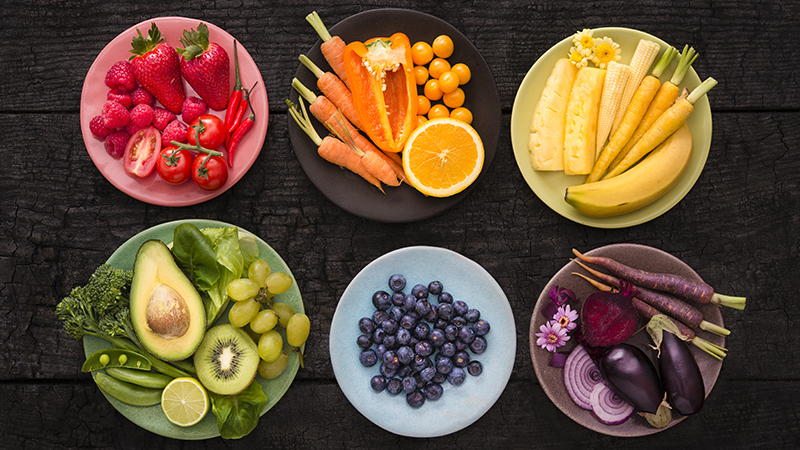
“A great place to start is to add more whole foods to your plate,” says Zupke. “Focus on simple foods that add more color and variety to your plate.”
Other simple strategies:
- Fill at least half of your plate with fruits and vegetables.
- Cook more meals at home instead of ordering from restaurants. (Get started with the recipe below.)
- Flavor foods with herbs and spices instead of relying on packaged sauces.
- Choose chicken, fish, beans, lentils or tofu as meal staples.
- Limit sugar-sweetened beverages. Choose water or tea instead.
- Shop the perimeter at the grocery store, where fresh produce, dairy and protein are often located. Most ultra-processed foods are found in the inner aisles.
Practical Swaps for Everyday Meals and Snacks
Simple substitutions can help reduce the ultra-processed foods in your diet without making meals feel restrictive.
Try these swaps:
- Yogurt with nuts or fresh fruit instead of packaged snack foods or desserts
- Fresh or frozen fruits and vegetables instead of highly processed side dishes like French fries
- Simple homemade meals using fresh ingredients instead of fast-food meals
Even a few healthier swaps each week can help create more balanced meals.
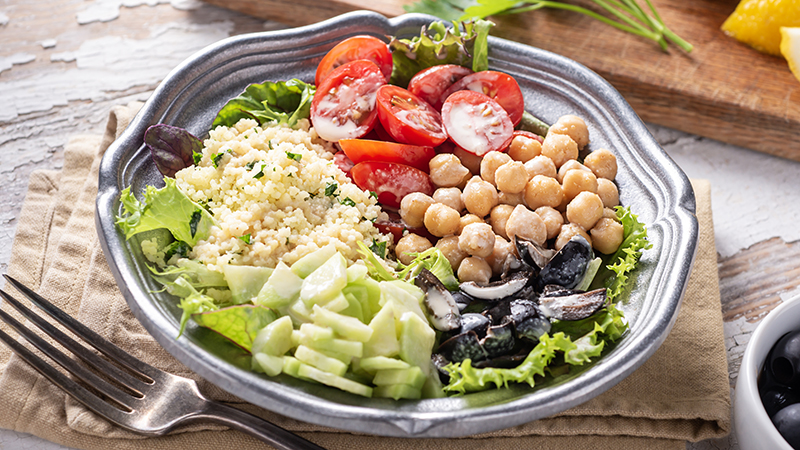
Try the following plant-based recipe to add more whole foods to your routine.
Roasted Rainbow Vegetable Farro Bowl
Ingredients
For the farro bowl, you’ll need:
- 1 large sweet potato, peeled and cubed
- 2 large beets, peeled and cubed
- 2 cups Brussels sprouts, halved
- 1 cup chickpeas, rinsed and drained
- 2 tablespoons olive oil
- 3 cloves garlic, peeled and chopped
- 1/4 teaspoon black pepper
- 2 cups farro, cooked
- 1 cup baby arugula
- 1/2 cup Parmesan cheese, grated (garnish)
- 1/2 cup fresh parsley, finely chopped (garnish)
For the lemon yogurt sauce, you’ll need:
- 1/2 cup plain Greek yogurt
- 2 tablespoons lemon juice
- 1 clove fresh garlic, minced
- 1 tablespoon fresh parsley, chopped
- 2 teaspoons lemon zest
- Pinch of black pepper
Instructions
- Heat oven to 400 degrees Fahrenheit. Line a rimmed baking sheet with parchment paper. Add sweet potatoes, beets, Brussels sprouts and chickpeas to the baking sheet.
- Drizzle the vegetables and chickpeas with the olive oil and combine. Season with garlic and black pepper.
- Roast the vegetables and chickpeas for 25 to 30 minutes, tossing occasionally.
- Place farro into a saucepan and cover with cool water. Cook according to package directions.
- Divide the cooked farro into four bowls and divide the roasted vegetables and chickpeas between the bowls. Add a handful of arugula to each bowl.
- Lemon yogurt sauce: Whisk together yogurt, lemon juice, garlic, parsley, lemon zest and black pepper in a bowl.
- Drizzle the bowls with lemon yogurt sauce, and top with parsley and Parmesan cheese.
Common Misconceptions About Processed Foods
Myth: All processed foods are unhealthy.
Fact: Not all processed foods are the same. Foods like frozen vegetables, canned beans and pasteurized milk are processed but can still be part of a nutritious diet.
Myth: Healthy eating requires eliminating all processed foods.
Fact: A balanced approach is more realistic and sustainable. Focus on eating more whole foods most of the time.
Myth: Healthy foods are too expensive.
Fact: Simple foods like beans, nuts, grains, fruits and vegetables are affordable and nutritious.
Healthy Eating on a Busy Schedule
Busy days can make convenience foods more appealing, but preparing nutritious meals doesn't have to take hours.
A few simple habits can make healthy eating easier:
- Plan meals and snacks ahead of time.
- Keep simple ingredients on hand.
- Use easy cooking methods, such as sheet-pan meals or slow cookers.
- Prepare ingredients or meals in batches.
- Stock your kitchen with nutritious staples, including plant-based foods.
“Choose whole foods and freshly made meals as much as possible,” says Zawicki. “Meal prep and plan ahead. Putting together a few fast, simple meals each week helps make it easier to get a healthy meal on the table.”
 Chrome
 Edge
Edge Safari
 Firefox