


Her Sister’s Stem Cells Helped Save Her Life
After a Rare Leukemia Diagnosis, a College Athlete Found the Perfect Donor Match in Her Family
Published October 2026
What began as a routine wisdom tooth removal became something no college athlete could have anticipated.
After the procedure, Kendall Schara, the then 21-year-old volleyball player at the University of Wisconsin-Green Bay, developed an infection, followed by the flu and a series of unexplained symptoms.
When doctors performed a bone marrow biopsy, they found the cause. It was acute myeloid leukemia (AML), a rare diagnosis for someone her age.
Just days before a volleyball match, Kendall learned that she had cancer.
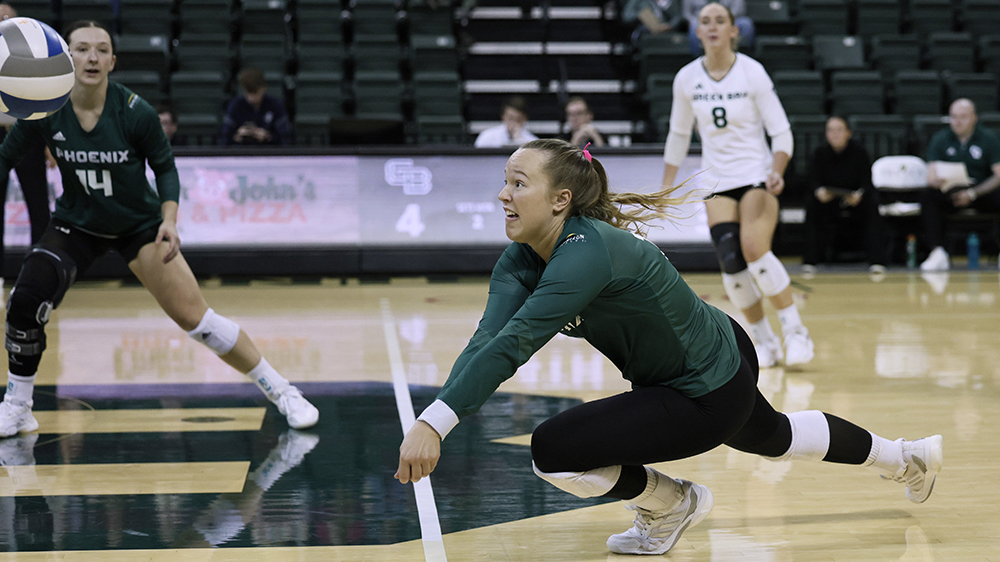
“I spoke to a lot of my teammates that night,” says Kendall. “I spoke to one in particular and told her, ‘I’m just so glad we got to play together for one last day.’”
The diagnosis marked the beginning of an intense treatment journey. Along the way, Kendall received an extraordinary gift from someone she has known her whole life: her younger sister.
A Challenging Road Ahead
Within a day of her diagnosis, Kendall arrived at Robert H. Lurie Comprehensive Cancer Center of Northwestern University to begin treatment closer to her home.
She started an intensive chemotherapy regimen and spent the next month at Northwestern Memorial Hospital.
After chemotherapy, she began preparing for a stem cell transplant, which would replace her diseased blood-forming cells with healthy donor cells.
Finding a stem cell donor can be difficult. In the United States, most people who need a stem cell transplant do not have a matching relative and must search outside their family.
Finding a Perfect Match
Kendall’s younger sisters, Marley Schara and Elle Schara, were both tested as potential donors. While Marley was not eligible, Elle turned out to be a perfect 12-out-of-12 match.
Because brothers and sisters inherit genes from the same parents, they are often the first people tested as potential donors. Even so, finding a perfect match within a family is never guaranteed.
“Getting good news throughout all of this is something that keeps me on the positive side,” says Kendall. “Hearing that my sister was a perfect 12-out-of-12 match, I was in shock. I didn’t think my sisters would be a match, let alone a perfect match.”
Kendall underwent a successful stem cell transplant using Elle’s donor cells.
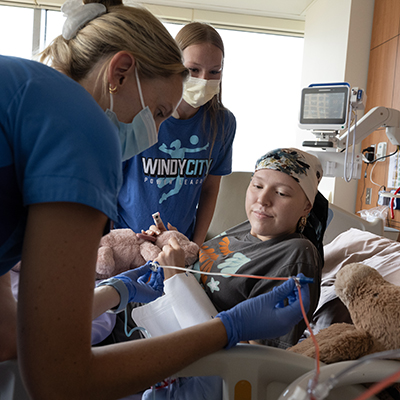
Comprehensive Cancer Center of Northwestern University.
“Kendall works hard and is incredibly strong both mentally and physically,” says Kehinde U A Adekola, MD, a hematology and medical oncology specialist at Lurie Cancer Center. “Both her young age and the absence of other medical conditions played a big role in how quickly she recovered.”
As she prepared for the transplant, Kendall also underwent fertility preservation with Kara Goldman, MD, medical director of fertility preservation at Northwestern Medicine, to help protect her ability to have children in the future.
“Fertility preservation is a critical part of comprehensive cancer care,” says Dr. Goldman. “Infertility remains one of the most common complications of cancer treatment, and all patients should have access to fertility preservation and the chance to build a family.”
The Sister Who Helped Save Her Life
For Kendall and Elle, the transplant strengthened an already close bond.
As sisters, teammates in life, and now donor and recipient, they shared an experience few people can fully understand.
“Not many people have gone through what Elle and I endured this past year,” says Kendall. “I’m so grateful to call her my sister, my donor and my best friend.”
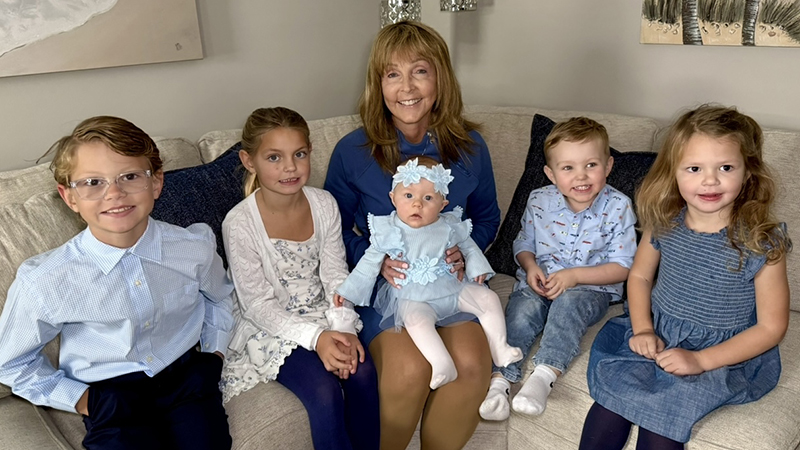
Today, both sisters are still playing the sport they love. Elle followed in Kendall’s footsteps and now plays volleyball at Purdue University.
Back on the Court and Looking Ahead
For Kendall, returning to college meant more than getting back to volleyball. It meant reclaiming a sense of normalcy after months of cancer treatment.
Recovery required patience, determination and support from family, friends and teammates.
“This semester had challenging moments, but watching the progress over the past few months makes it all worth it,” says Kendall. “I have grown so much mentally and physically, and I’m lucky to have my teammates right beside me.”
The experience also changed her perspective.
Today, Kendall is looking ahead with gratitude, resilience and a renewed appreciation for every moment on and off the court.
What Is Acute Myeloid Leukemia?
Acute myeloid leukemia is a fast-growing blood cancer that begins in the bone marrow. It causes the body to produce abnormal blood cells. If untreated, these cells can quickly crowd out healthy cells and spread throughout the body.
While AML is most commonly diagnosed in older adults, it can occur at any age. Symptoms may include:
- Fatigue
- Frequent infections
- Unexplained bruising or bleeding
- Fever
- Bone pain
Early diagnosis and treatment are important. Depending on the type of AML and a person’s overall health, treatment may involve chemotherapy, targeted therapies or, for some people,
a stem cell transplant.
While Kendall found a donor in her sister, many people with leukemia and other blood cancers depend on volunteer stem cell donors they have never met. The National Marrow Donor Program maintains a registry of potential donors for people searching for a match.
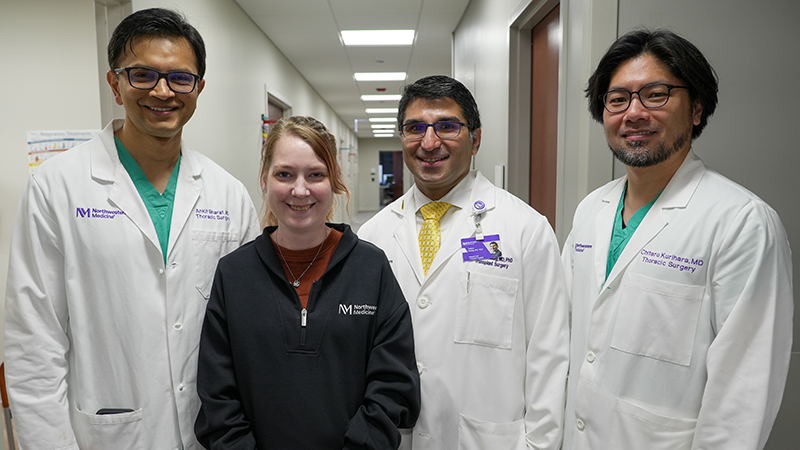
Featured Experts


 Chrome
 Edge
 Safari
 Firefox