


Is a Plant-Based Diet Right for You?
A Guide to Plant-Based Eating
Published August 2024
A plant-based diet isn’t a new way of eating, but it has gained popularity due to concerns about health, ethics and the environment. According to research, the percentage of people in the United States who follow a plant-rich dietary pattern more than doubled from 2012 to 2022, rising from 12% to almost 26%.
What Is a Plant-Based Diet?
A plant-based diet is a flexible approach to eating that prioritizes food from plants, including fruits, vegetables, nuts, seeds, oils, whole grains and beans. Following this approach doesn’t necessarily mean you’re a vegan who avoids meat and dairy. It simply means you focus on consuming more plant-based foods than animal-based ones.
Types of Plant-Based Diets
Plant-based diets come in many forms, each with its own balance of plant and animal foods. Common approaches people follow include:
- Vegan: Includes only plant foods and none that come from an animal.
- Vegetarian: Includes plant foods plus dairy, eggs or both.
- Flexitarian: A vegetarian diet with the addition of meat and fish occasionally.
- Mediterranean: A vegetarian diet with olive oil as the primary fat source and the addition of moderate amounts of poultry and fish.
- DASH (Dietary Approaches to Stop Hypertension): A vegetarian diet with the addition of moderate amounts of poultry and fish, and a focus on low-sodium foods.
Benefits of Plant-Based Eating
Plant-based eating offers several health benefits that can improve your well-being.
Weight management: Plants tend to have fewer calories than animal products, making it easier to maintain a healthy weight.
Reduced inflammation: Many fruits, vegetables and nuts are abundant in anti-inflammatory compounds like antioxidants and polyphenols. “The components in plants help the body heal faster and decrease that inflammation,” says Ginger Hagen, RD, a dietitian at Northwestern Medicine who works with patients undergoing pulmonary and cardiac rehabilitation.
Some of the many anti-inflammatory foods to keep on your grocery list include:
- Leafy greens
- Broccoli
- Berries
- Avocados
- Tomatoes
- Almonds
- Walnuts
Getting Started With Plant-Based Eating
Starting a plant-based diet doesn’t have to be complicated. Simple steps can lead to significant changes in your eating habits.
“A great place to start is to make 50% of your meals all plants, then gradually increase to 80% to get the benefits of a plant-based diet,” says Hagen. When beginning to incorporate more plants into your diet, she recommends:
- Eating one more fruit and one more vegetable every day.
- Substituting beans for meat once a week.
- Snacking on a 1/4 cup of nuts rather than potato chips or other processed snack food item.
After gaining some success, try:
- Incorporating whole grains like oatmeal topped with fruit and nuts into your breakfast routine.
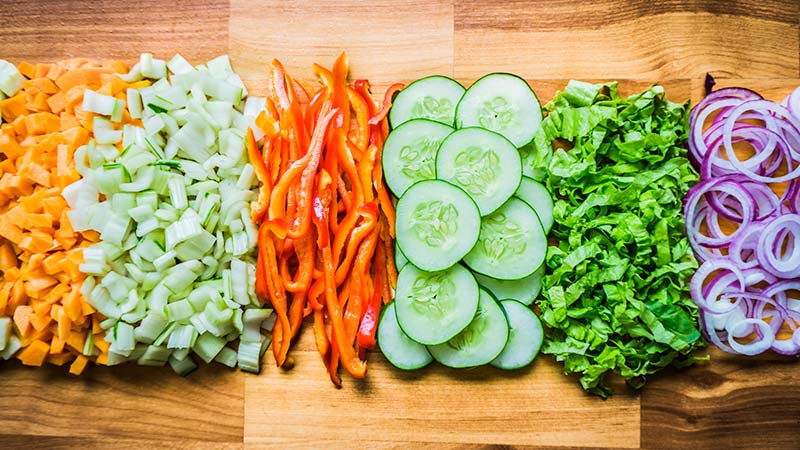
- Building meals around a salad bowl with combinations of leafy greens, chopped vegetables, whole grains like quinoa and brown rice, beans, nuts and seeds.
- Making fruit your favorite dessert.
When choosing plant-based products, Hagen advises to:
- Be cautious of processed plant-based meat products, which can be high in sodium and saturated fats.
- Look for products with less than 400 mg of sodium and 5 grams of saturated fat per serving.
- Choose reduced sodium canned or fried beans as a low-cost protein option.
- Try making your own patties from beans or lentils for a healthier meat alternative.
For hydration, Hagen recommends good old-fashioned water. “If you're not a big water fan, then you can do infused water,” she says. “Give it a little flavor with some cut fruit, mint or cucumber or try sparkling water with no added sugar.”
Getting Enough Protein
Contrary to popular belief, it’s entirely possible to get enough protein on a plant-based diet. According to the National Academy of Medicine, adults should have about 7 grams of protein a day for every 20 pounds they weigh. A 120-pound person would need about 42 grams of protein daily. To put that into perspective, there are 11 grams of protein in a half cup of pinto beans, 9 grams in an ounce of roasted pumpkin seeds, 8 grams in a cup of quinoa and 7 grams in an ounce of peanuts. It adds up quickly!
There are a wide variety of plant-based foods high in protein, including:
- Legumes: Lentils, broad beans, peas, chickpeas and peanuts.
- Soy-based foods: Tofu, tempeh, edamame and soy milk.
- Nuts and seeds: Hemp seeds, pumpkin seeds, sunflower seeds and almonds.
- Vegetables and whole grains: While not a primary source of protein, vegetables like broccoli and spinach and whole grains like quinoa, brown rice and oats contribute to your protein intake.
Simple Plant-Based Meal and Snack Ideas
Breakfast: Chickpeas and avocado on whole grain toast, stove-top rolled oats with chia seeds and sliced bananas.
Lunch: Hummus and roasted veggie wrap, tomato and cucumber salad, smashed green pea, lettuce and tomato sandwich (PLT).
Dinner: Vegetarian chili, lentil vegetable soup, tofu and veggie stir fry, quinoa and northern bean salad dressed with olive oil, garlic and vinegar.
Snacks: Nuts and dried fruit, carrot sticks and hummus, celery sticks and peanut butter, air-popped popcorn flavored with oregano and basil.
Plant-Based: Is It for You?
Whether a plant-based way of eating is suitable for you depends on your individual health goals, lifestyle and preferences. If you are considering making the switch, talk with a registered dietitian or other clinician who specializes in nutrition to create a balanced meal plan.
Learn more about cooking healthfully.
 Chrome
 Edge
Edge Safari
 Firefox